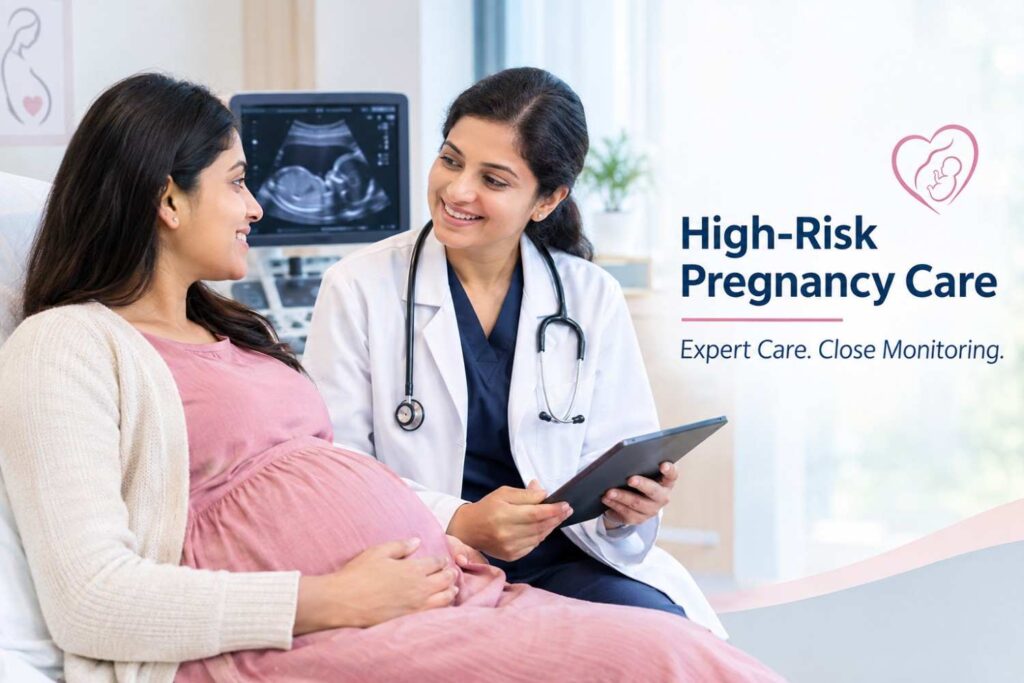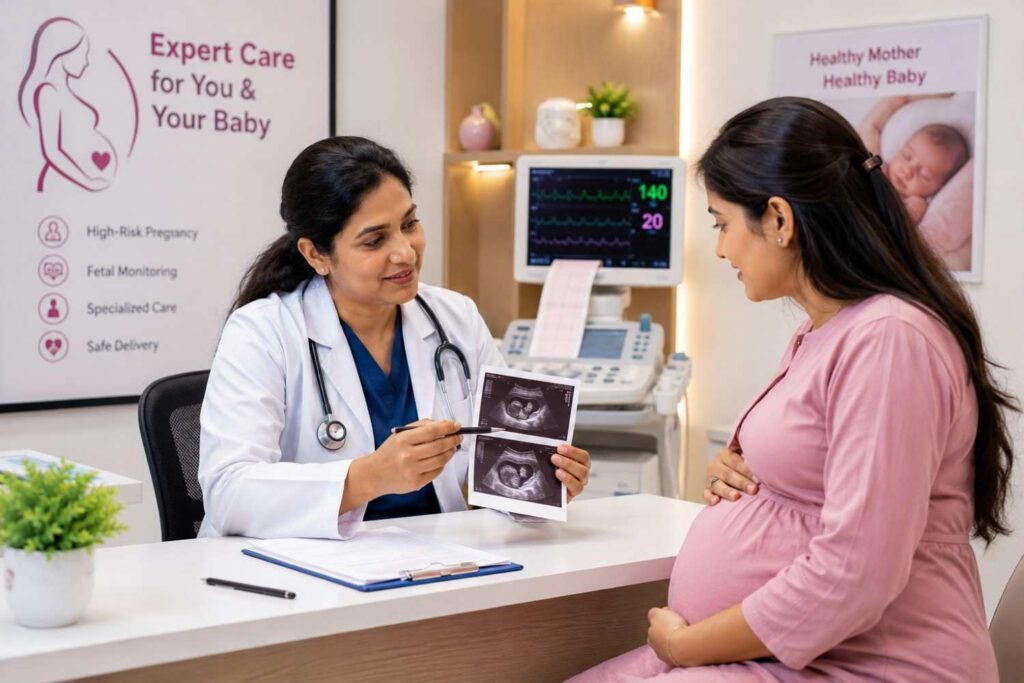
Pregnancy is an exciting and life-changing journey for every woman. While most pregnancies progress without major complications, some require additional medical attention due to health conditions affecting the mother, the baby, or both. These are known as high-risk pregnancies.
Being diagnosed with a high-risk pregnancy can feel overwhelming, but it does not mean that something will necessarily go wrong. With early diagnosis, regular antenatal check-ups, advanced monitoring, and expert obstetric care, many women with high-risk pregnancies deliver healthy babies.
Understanding the warning signs, possible causes, and available treatment options can help expectant mothers seek timely medical care and improve pregnancy outcomes.
In this guide, we’ll explain everything you need to know about High Risk Pregnancy in Amritsar, including symptoms, risk factors, diagnosis, treatment, and when to consult a specialist.
What Is a High-Risk Pregnancy?
A high-risk pregnancy is one in which the mother, baby, or both have a greater chance of developing health complications before, during, or after childbirth.
A pregnancy may be considered high-risk due to pre-existing medical conditions, pregnancy-related complications, maternal age, or issues affecting the baby’s growth and development.
Although extra monitoring may be required, many high-risk pregnancies are managed successfully with proper medical care and regular follow-up.
Who Is at Risk of a High-Risk Pregnancy?
Several factors can increase the likelihood of developing a high-risk pregnancy. These include:
- Pregnancy before the age of 18 or after 35
- High blood pressure
- Diabetes (pre-existing or gestational)
- Thyroid disorders
- Obesity
- Multiple pregnancy (twins or triplets)
- Previous miscarriage or preterm birth
- Previous cesarean delivery
- Kidney or heart disease
- Autoimmune disorders
- Fertility treatment-related pregnancies
- Certain infections during pregnancy
Having one or more of these risk factors does not always lead to complications, but it does mean closer medical supervision is important.
Common Symptoms of a High-Risk Pregnancy
Not every woman with a high-risk pregnancy experiences noticeable symptoms. However, some warning signs should never be ignored.
1. Severe Vaginal Bleeding
Heavy bleeding during pregnancy may indicate conditions such as placenta previa, placental abruption, or miscarriage and requires immediate medical evaluation.
2. Persistent Severe Headaches
Frequent or severe headaches, especially when accompanied by blurred vision or swelling, may be associated with high blood pressure or preeclampsia.
3. Swelling of the Face, Hands, or Feet
While mild swelling can be common during pregnancy, sudden or excessive swelling may indicate a pregnancy-related complication that requires medical attention.
4. Blurred Vision or Vision Changes
Vision disturbances such as blurred vision, flashing lights, or temporary vision loss may be signs of preeclampsia and should be evaluated promptly.
5. Severe Abdominal Pain
Persistent or intense abdominal pain should never be ignored, as it may indicate complications involving the uterus, placenta, or other pregnancy-related conditions.
6. Reduced Baby Movements
A noticeable decrease in fetal movements during the later stages of pregnancy should be reported to your obstetrician immediately.
7. High Fever
A fever during pregnancy may indicate an infection that could affect both the mother and baby if left untreated.
8. Leaking of Fluid
A sudden gush or continuous leakage of fluid from the vagina before labor may suggest premature rupture of membranes and requires urgent medical assessment.
9. Regular Contractions Before 37 Weeks
Frequent contractions before full-term pregnancy may be a sign of preterm labor and should be evaluated without delay.
What Causes a High-Risk Pregnancy?
A high-risk pregnancy can result from various maternal, fetal, or pregnancy-related factors.
Maternal Health Conditions
Existing medical conditions may increase pregnancy risks, including:
- High blood pressure
- Diabetes
- Thyroid disorders
- Heart disease
- Kidney disease
- Autoimmune disorders
Pregnancy-Related Conditions
Some complications develop during pregnancy, such as:
- Gestational diabetes
- Preeclampsia
- Placenta previa
- Placental abruption
- Cervical insufficiency
- Excess or low amniotic fluid
Baby-Related Factors
Sometimes, the pregnancy becomes high-risk due to concerns related to the baby, including:
Abnormal fetal position
Restricted fetal growth
Congenital abnormalities
Multiple pregnancy (twins or triplets)
How Is a High-Risk Pregnancy Diagnosed?
Early diagnosis is one of the most important factors in managing a high-risk pregnancy. Regular antenatal visits allow your obstetrician to monitor both maternal and fetal health, helping identify potential complications before they become serious.
Your doctor may recommend a combination of the following evaluations:
Medical History
Your obstetrician will review your:
- Previous pregnancies and deliveries
- History of miscarriage or preterm birth
- Existing medical conditions
- Current medications
- Family medical history
- Lifestyle habits
This information helps determine whether additional monitoring or specialized care is required.
Physical Examination
During routine pregnancy visits, your doctor will assess:
- Blood pressure
- Weight gain
- Swelling of hands, feet, or face
- Overall maternal health
Regular physical examinations help detect early signs of pregnancy-related complications.
Blood and Urine Tests
Routine laboratory tests play an important role in identifying conditions such as:
- Gestational diabetes
- Anemia
- Urinary tract infections
- Thyroid disorders
- Preeclampsia
- Blood group incompatibility
Early treatment of these conditions helps improve pregnancy outcomes.
Ultrasound Scans
Ultrasound examinations help monitor:
- Baby’s growth and development
- Placental position
- Amniotic fluid levels
- Fetal heartbeat
- Congenital abnormalities
- Multiple pregnancies
Your obstetrician may recommend more frequent ultrasounds for high-risk pregnancies.
Fetal Monitoring
In some cases, additional fetal monitoring may be necessary to assess your baby’s well-being.
These may include:
- Non-Stress Test (NST)
- Biophysical Profile (BPP)
- Doppler Ultrasound
- Fetal Heart Rate Monitoring
These tests help ensure your baby is receiving adequate oxygen and nutrients throughout pregnancy.
Treatment Options for High-Risk Pregnancy
Treatment depends on the underlying cause, severity of the condition, and stage of pregnancy. Every pregnancy is unique, so your obstetrician will develop an individualized care plan.
Regular Antenatal Check-ups
Women with high-risk pregnancies usually require more frequent prenatal visits than routine pregnancies.
These appointments allow your doctor to:
- Monitor maternal health
- Assess fetal growth
- Detect complications early
- Adjust treatment plans when needed
Medications
Depending on your condition, medications may be prescribed to:
- Control blood pressure
- Manage diabetes
- Prevent preterm labor
- Treat infections
- Support fetal lung development if early delivery is anticipated
Always take medications only as prescribed by your obstetrician.
Nutritional Guidance
A balanced diet is essential during pregnancy, especially in high-risk cases.
Your doctor may recommend:
- Iron supplements
- Folic acid
- Calcium
- Vitamin D
- Protein-rich foods
- Adequate hydration
Proper nutrition supports both maternal health and fetal development.
Lifestyle Modifications
Healthy lifestyle habits can significantly improve pregnancy outcomes.
Your doctor may advise you to:
- Get adequate rest
- Stay physically active (as medically advised)
- Avoid smoking and alcohol
- Reduce stress
- Attend all scheduled prenatal appointments
Every recommendation will be tailored to your individual pregnancy.
Hospital-Based Monitoring
Some women may require hospitalization for closer observation, especially if complications such as severe preeclampsia, preterm labor, or reduced fetal growth develop.
Hospital monitoring allows healthcare providers to respond quickly if immediate intervention becomes necessary.
Tips for a Healthy High-RRisk Pregnancy
Although not all pregnancy complications can be prevented, following healthy habits can reduce risks and support a healthier pregnancy.
Attend Every Antenatal Appointment
Never skip routine pregnancy check-ups, even if you feel well.
Regular monitoring allows early detection of potential complications.
Follow Your Doctor’s Advice
Take medications exactly as prescribed and attend all recommended investigations and scans.
Avoid self-medication during pregnancy.
Eat a Nutritious Diet
Choose foods rich in:
- Fresh fruits and vegetables
- Whole grains
- Lean protein
- Dairy products
- Healthy fats
- Iron-rich foods
A balanced diet helps meet the nutritional needs of both mother and baby.
Stay Hydrated
Drink plenty of water throughout the day unless your doctor advises otherwise.
Proper hydration supports circulation, amniotic fluid levels, and overall maternal health.
Monitor Baby’s Movements
As your pregnancy progresses, pay attention to your baby’s movements.
If you notice reduced fetal movement, contact your obstetrician immediately.
Manage Chronic Health Conditions
If you have diabetes, hypertension, thyroid disease, or another medical condition, follow your treatment plan carefully throughout pregnancy.
Proper control of these conditions reduces pregnancy-related risks.
When Should You Consult an Obstetrician?
Seek immediate medical attention if you experience:
- Heavy vaginal bleeding
- Severe abdominal pain
- Persistent headaches
- Blurred vision
- High fever
- Reduced fetal movement
- Sudden swelling of the face or hands
- Leakage of amniotic fluid
- Regular contractions before 37 weeks
- Difficulty breathing or chest pain
Prompt medical care can help prevent serious complications for both mother and baby.
Frequently Asked Questions (FAQs)
1. What is considered a high-risk pregnancy?
A high-risk pregnancy is one in which the mother, baby, or both have an increased chance of health complications that require closer medical monitoring.
2. Can a high-risk pregnancy result in a healthy baby?
Yes. With early diagnosis, regular prenatal care, and appropriate treatment, many women with high-risk pregnancies deliver healthy babies.
3. Does being over 35 automatically mean a high-risk pregnancy?
Not always. Although maternal age above 35 may increase certain risks, many women have healthy pregnancies with proper prenatal care.
4. How often will I need check-ups during a high-risk pregnancy?
The frequency depends on your condition. Some women require additional antenatal visits, ultrasounds, or fetal monitoring throughout pregnancy.
5. Can gestational diabetes make pregnancy high-risk?
Yes. Gestational diabetes requires careful monitoring to reduce risks for both mother and baby.
6. Is bed rest necessary for every high-risk pregnancy?
No. Bed rest is recommended only in specific situations. Always follow your obstetrician’s advice regarding physical activity.
7. Can I have a normal delivery with a high-risk pregnancy?
Many women with high-risk pregnancies can have a vaginal delivery. The mode of delivery depends on your health, your baby’s condition, and your obstetrician’s assessment.
8. When should I seek emergency medical care during pregnancy?
Seek immediate medical attention if you experience heavy bleeding, severe abdominal pain, reduced fetal movement, leaking fluid, persistent headaches, blurred vision, or signs of preterm labor.
Conclusion
A high-risk pregnancy requires additional attention, but it does not mean you cannot have a healthy pregnancy or a healthy baby. With early diagnosis, regular prenatal check-ups, advanced fetal monitoring, and expert obstetric care, many pregnancy-related complications can be effectively managed.
Recognizing warning signs such as heavy bleeding, severe headaches, reduced fetal movement, or persistent abdominal pain and seeking prompt medical care can make a significant difference. Maintaining a healthy lifestyle, following your doctor’s recommendations, and attending every antenatal appointment are essential steps toward a safer pregnancy.
If you or a loved one has been diagnosed with a high-risk pregnancy, remember that you are not alone. The right medical team can provide the guidance and support needed throughout your pregnancy journey.
Expert High-Risk Pregnancy Care at Anand Hospital, Amritsar
At Anand Hospital, Amritsar, we understand that every pregnancy is unique. Our experienced obstetricians and gynecologists provide comprehensive care for women with high-risk pregnancies, using advanced diagnostic facilities and personalized treatment plans to ensure the best possible outcomes for both mother and baby.
From early pregnancy assessments and regular antenatal check-ups to fetal monitoring and delivery planning, our team is committed to supporting you through every stage of your motherhood journey with compassion and expertise.
Book your consultation today for expert high-risk pregnancy care in Amritsar.
📍 Anand Hospital, Chatiwind Gate Roundabout, Near Gurudwara Shaheeda, Chowk Chabutra, Nimak Mandi, Amritsar, Punjab 143001
📞 Schedule Your Appointment Today