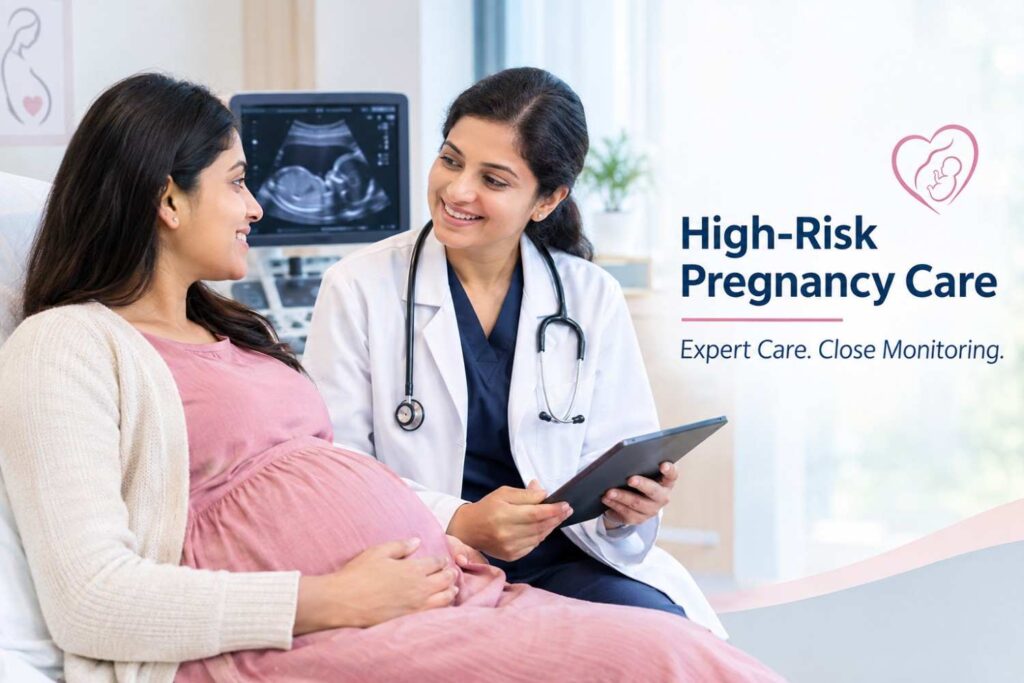
Pregnancy is an important period in a woman’s life, but not every pregnancy follows the same path. Some women may have medical conditions or pregnancy-related complications that require closer monitoring and specialized care.
This is where high-risk pregnancy care in Amritsar becomes important.
A high-risk pregnancy does not necessarily mean that a serious complication will occur. It means that certain factors may increase the possibility of complications for the mother, baby, or both, and therefore the pregnancy may require more careful assessment and monitoring.
With appropriate antenatal care, screening and timely medical management, healthcare professionals can identify potential concerns and develop an individualized pregnancy and delivery plan.
The World Health Organization describes antenatal care as an important platform for health promotion, screening, diagnosis, prevention and monitoring during pregnancy.
If you are pregnant and have been told that your pregnancy is high-risk, understanding what this means and what to expect can help you approach your pregnancy care with greater confidence.
What Is a High-Risk Pregnancy?
A high-risk pregnancy is a pregnancy in which the mother, baby, or both have a higher-than-usual risk of developing health complications.
The reason for the increased risk can vary considerably.
Some women enter pregnancy with an existing medical condition. Others develop a condition during pregnancy. In some cases, factors related to the pregnancy itself may require closer observation.
Importantly, being classified as high-risk does not automatically mean that you will have a complicated delivery or an unhealthy baby.
It means that your obstetrician may recommend:
- More frequent antenatal appointments
- Additional blood or urine tests
- Ultrasound or other fetal assessments
- Closer monitoring of blood pressure or blood sugar
- Medication when medically indicated
- Additional specialist consultations
- Careful planning for labour and delivery
The exact care plan depends on the individual pregnancy.
What Can Make a Pregnancy High-Risk?
Several factors can contribute to a pregnancy being considered high-risk.
1. Existing Medical Conditions
Certain health conditions present before pregnancy may require additional monitoring.
Examples include:
- Diabetes
- High blood pressure
- Heart disease
- Kidney disease
- Thyroid disorders
- Certain autoimmune conditions
- Blood disorders
- Some chronic infections
If you have an existing medical condition and are planning a pregnancy, discussing your health with an obstetrician before conception can help with pregnancy planning.
2. Conditions That Develop During Pregnancy
A woman who had no significant medical problems before pregnancy may develop a pregnancy-related condition.
Examples include:
- Gestational diabetes
- Pregnancy-related hypertension
- Preeclampsia
- Anaemia
- Certain infections
- Pregnancy-related bleeding
These conditions may require additional monitoring and treatment depending on their severity.
WHO antenatal-care recommendations include maternal assessment and screening for conditions such as anaemia and gestational diabetes as part of pregnancy care.
3. Previous Pregnancy Complications
Your previous pregnancy history can also influence the way your current pregnancy is monitored.
For example, your doctor may consider previous:
- Pregnancy loss
- Preterm birth
- Pregnancy-related hypertension
- Preeclampsia
- Caesarean delivery
- Significant pregnancy complications
- Certain complications affecting the baby
A previous complication does not necessarily mean that it will happen again, but it may influence your monitoring and pregnancy plan.
4. Multiple Pregnancy
Pregnancies involving twins or more than one baby may require additional monitoring because multiple pregnancies can have different risks and care requirements compared with singleton pregnancies.
Your obstetrician will determine an appropriate monitoring schedule based on the pregnancy.
5. Certain Pregnancy-Related Findings
Sometimes a pregnancy may become high-risk because of findings identified during routine antenatal assessment or ultrasound.
For example, your healthcare provider may need to monitor:
- Fetal growth
- Placental position
- Amniotic fluid
- Baby’s position
- Multiple pregnancy
- Other fetal or placental findings
The appropriate assessment depends on the individual circumstances.
Common Conditions Associated With High-Risk Pregnancy
High-risk pregnancy care may involve monitoring and managing a range of conditions.
Gestational Diabetes
Gestational diabetes is diabetes first diagnosed during pregnancy.
It may require dietary changes, blood glucose monitoring and, in some cases, medication.
Regular monitoring helps your healthcare team determine whether additional pregnancy or fetal assessment is needed.
High Blood Pressure and Preeclampsia
High blood pressure during pregnancy can require careful monitoring.
Preeclampsia is a pregnancy complication involving high blood pressure and other findings that can affect the mother and baby.
Depending on severity and gestational age, management can range from close monitoring to medication and, when necessary, delivery.
Because pregnancy-related hypertension can sometimes progress without obvious symptoms, regular antenatal care is important.
Anaemia
Anaemia is common during pregnancy and can have different causes.
Blood testing can help identify anaemia and guide appropriate treatment.
Depending on the cause and severity, treatment may include nutritional advice and supplements or other management recommended by the doctor.
Thyroid Disorders
Thyroid problems can affect pregnancy and may require monitoring of thyroid hormone levels and medication adjustment.
Women with known thyroid disorders should discuss pregnancy planning and ongoing treatment with their healthcare provider.
Who May Need High-Risk Pregnancy Care?
Your doctor may recommend closer monitoring if you:
- Have a chronic medical condition
- Have high blood pressure or diabetes
- Have developed a pregnancy-related complication
- Are carrying twins or multiples
- Have experienced significant complications in a previous pregnancy
- Have abnormal findings during pregnancy assessment
- Have concerns related to fetal growth or development
- Experience significant pregnancy-related bleeding
- Have other factors that your obstetrician believes require additional monitoring
Remember that high-risk pregnancy is not a diagnosis with one fixed treatment plan.
Your care should be based on your specific medical history and pregnancy.
High-Risk Pregnancy Warning Signs
Some symptoms during pregnancy are relatively common, while others require prompt medical evaluation.
Contact your maternity care provider if you experience concerning symptoms such as:
- Vaginal bleeding
- Severe abdominal pain
- Severe or persistent headache
- Vision changes
- Sudden or significant swelling with other concerning symptoms
- Leakage of fluid from the vagina
- Persistent vomiting or inability to keep fluids down
- Fever or feeling seriously unwell
- Difficulty breathing
- Chest pain
- Reduced fetal movements after fetal movements have become established
Do not rely on online information to determine whether a symptom is serious.
If you are concerned, contact your doctor or seek appropriate medical care.
How Is a High-Risk Pregnancy Monitored?
The monitoring plan varies depending on the reason for the increased risk.
Your obstetrician may recommend a combination of:
Regular Antenatal Appointments
Regular appointments allow the healthcare team to monitor your health, discuss symptoms and assess pregnancy progression.
WHO recommends antenatal care that includes maternal and fetal assessment, preventive measures, nutritional support and counselling.
Blood Pressure Monitoring
Blood pressure is commonly assessed during pregnancy because hypertension can be associated with pregnancy complications.
Women with hypertension or risk factors may require closer monitoring.
Blood and Urine Tests
Depending on your pregnancy, your doctor may recommend tests to assess:
- Haemoglobin and anaemia
- Blood sugar
- Blood group and other relevant parameters
- Thyroid function when indicated
- Urinary abnormalities
- Other conditions based on your medical history
Ultrasound and Fetal Assessment
Ultrasound may be used at different stages of pregnancy to assess pregnancy development and, when appropriate, fetal growth, anatomy, placental location and other findings.
WHO recommends an ultrasound before 24 weeks of pregnancy as part of antenatal care for purposes including gestational-age assessment and detection of certain fetal conditions and multiple pregnancies.
The timing and frequency of scans should be determined by your obstetrician.
Fetal Monitoring
Depending on gestational age and the clinical situation, your doctor may recommend additional monitoring of the baby’s well-being.
The type and frequency of monitoring depend on the specific risk factors involved.
What Treatment May Be Needed?
There is no single treatment for high-risk pregnancy.
Treatment depends entirely on the underlying condition.
For example:
If you have gestational diabetes
Your doctor may recommend:
- Dietary counselling
- Blood glucose monitoring
- Physical activity appropriate for your pregnancy
- Medication or insulin when necessary
- Additional fetal monitoring when indicated
If you have high blood pressure
Management may include:
- Regular blood pressure monitoring
- Blood and urine assessment
- Medication when indicated
- Monitoring of maternal and fetal well-being
- Planning the timing and method of delivery when appropriate
If you have anaemia
Your doctor may recommend:
- Blood testing
- Iron or other supplements when indicated
- Dietary advice
- Follow-up testing
If fetal growth requires monitoring
Your obstetrician may recommend additional ultrasound assessments and fetal monitoring depending on the circumstances.
The goal is to identify potential problems early and provide appropriate treatment or intervention when required.
What to Expect During High-Risk Pregnancy Care
If your pregnancy has been classified as high-risk, your care may involve more appointments and monitoring than a routine pregnancy.
You can generally expect your healthcare team to:
1. Review your medical history
Your previous pregnancies, medical conditions, medications and other relevant factors may be reviewed.
2. Assess your current pregnancy
Your symptoms, blood pressure, laboratory tests and fetal development may be monitored.
3. Identify potential risks
Your doctor will determine which factors require closer observation.
4. Create an individualized care plan
The frequency of appointments, investigations and treatment depends on your condition.
5. Monitor your response to treatment
If you require medication or other interventions, your response may be assessed during follow-up appointments.
6. Plan delivery
Depending on the pregnancy, your doctor may discuss the timing and possible mode of delivery.
A high-risk pregnancy does not automatically mean a Caesarean delivery. The method of delivery should be based on the clinical circumstances of the mother and baby.
High-Risk Pregnancy Care at Anand Hospital Amritsar
For women looking for high-risk pregnancy care in Amritsar, choosing a hospital where pregnancy can be monitored by an experienced obstetric team is an important consideration.
Anand Hospital provides Obstetrics & Gynaecology services as part of its multispecialty healthcare services. The hospital is located on Inner Circular Road, Chatiwind, Amritsar.
The hospital’s maternity care approach can include pregnancy assessment, antenatal monitoring and management based on the individual needs of the mother and baby.
If your pregnancy has been identified as high-risk, discuss your medical history, previous pregnancy experiences and current concerns with your obstetrician so that an appropriate care plan can be developed.
Why timely care matters
Antenatal care is not simply about checking whether everything appears normal.
It also provides opportunities for healthcare professionals to:
- Identify risk factors
- Screen for pregnancy complications
- Monitor maternal health
- Monitor fetal development
- Provide nutritional and lifestyle guidance
- Discuss symptoms and concerns
- Plan appropriate treatment
- Prepare for labour and delivery
WHO emphasizes that antenatal care provides opportunities for health promotion, screening, diagnosis and prevention during pregnancy.
How Can You Support a Healthy Pregnancy?
Medical care is only one part of a healthy pregnancy.
If your obstetrician has not advised specific restrictions, general pregnancy-health measures may include:
Eat a Balanced Diet
Focus on a variety of nutritious foods, including vegetables, fruits, whole grains, protein sources and appropriate dairy or alternatives.
Your doctor may recommend supplements depending on your nutritional requirements.
Take Prescribed Medicines and Supplements
Do not start, stop or change medications during pregnancy without discussing them with your healthcare provider.
Attend Your Appointments
Do not skip antenatal appointments simply because you feel well.
Some pregnancy complications may require screening or monitoring even when you have few symptoms.
Stay Physically Active When Appropriate
For many women, appropriate physical activity can be part of a healthy pregnancy.
However, women with certain complications may need activity restrictions.
Always follow your obstetrician’s advice.
Avoid Tobacco, Alcohol and Harmful Substances
Discuss any substance use or medication with your healthcare provider.
Know Your Warning Signs
Ask your doctor which symptoms require immediate attention based on your specific pregnancy.
When Should You Contact Your Doctor Immediately?
Seek prompt medical advice if you experience:
- Heavy vaginal bleeding
- Severe abdominal pain
- Severe headache with vision changes
- Sudden concerning swelling
- Fluid leakage
- Reduced fetal movement after movements are established
- Severe breathing difficulty
- Chest pain
- Fainting
- High fever or serious illness
- Any symptom that feels significantly different or concerning
If you believe you may be experiencing a pregnancy emergency, seek immediate medical attention rather than waiting for a routine appointment.
Key Takeaways
If you are searching for high-risk pregnancy care in Amritsar, remember:
- A high-risk pregnancy does not automatically mean a poor outcome.
- High-risk pregnancies may require closer monitoring and individualized care.
- Diabetes, hypertension, thyroid problems, anaemia, multiple pregnancy and previous pregnancy complications can be among the factors requiring additional attention.
- Regular antenatal appointments help healthcare professionals identify and manage potential complications.
- Blood tests, urine tests, ultrasound and fetal monitoring may be recommended depending on the pregnancy.
- Treatment depends on the specific condition and can include medication, nutritional management, additional monitoring or other interventions.
- A high-risk pregnancy does not automatically mean that a Caesarean delivery will be required.
- Never ignore concerning pregnancy symptoms.
- Early and regular communication with your obstetrician can help you understand your pregnancy and treatment plan.
Frequently Asked Questions
1. What is considered a high-risk pregnancy?
A pregnancy may be considered high-risk when certain maternal, fetal or pregnancy-related factors increase the possibility of complications and require closer medical monitoring.
2. Is high-risk pregnancy dangerous?
A high-risk pregnancy carries increased potential risks, but the outcome varies widely. Early identification, appropriate monitoring and timely treatment can help healthcare professionals manage many pregnancy complications.
3. Can a high-risk pregnancy result in normal delivery?
Yes. Being classified as high-risk does not automatically mean that a Caesarean delivery is necessary. The appropriate method of delivery depends on the mother’s and baby’s condition and other clinical factors.
4. When should I see a high-risk pregnancy specialist in Amritsar?
If you have an existing medical condition, previous pregnancy complications, multiple pregnancy, high blood pressure, diabetes or another concern identified during pregnancy, discuss your care with an obstetrician promptly.
5. How often should a high-risk pregnancy be monitored?
There is no single schedule for every high-risk pregnancy. Some women may need more frequent appointments or investigations than others. Your obstetrician will determine the appropriate schedule.
6. Can high-risk pregnancy be treated?
Many conditions associated with high-risk pregnancy can be managed with appropriate medical care. Treatment depends on the underlying condition, its severity and the stage of pregnancy.
7. Does high-risk pregnancy mean I need a C-section?
No. A high-risk pregnancy does not automatically require Caesarean delivery. Your doctor will recommend the delivery approach based on the circumstances of your pregnancy.
8. Can I exercise during a high-risk pregnancy?
It depends on the reason your pregnancy is considered high-risk. Some women can remain active, while others may need activity restrictions. Always follow your obstetrician’s advice.
9. What tests may be needed during high-risk pregnancy?
Depending on your condition, your doctor may recommend blood tests, urine tests, blood pressure monitoring, ultrasound examinations and additional fetal assessments.
10. Where can I get high-risk pregnancy care in Amritsar?
Anand Hospital provides Obstetrics & Gynaecology services in Amritsar. The hospital is located on Inner Circular Road, Chatiwind, Amritsar. You can contact the hospital to schedule an appointment and discuss your pregnancy-care requirements.
Conclusion
A high-risk pregnancy can understandably create questions and concerns for expecting parents. However, being told that your pregnancy requires additional monitoring does not mean that you should assume the worst.
The most important step is to understand why your pregnancy is considered high-risk and what monitoring or treatment your obstetrician recommends.
Regular antenatal care provides an opportunity to assess maternal and fetal health, identify potential complications and make timely decisions when necessary. WHO emphasizes evidence-based antenatal care that includes maternal and fetal assessment, preventive care, nutrition and support throughout pregnancy.
If you are looking for high-risk pregnancy care in Amritsar, Anand Hospital offers Obstetrics & Gynaecology services for women seeking pregnancy and maternity care.
Plan Your Pregnancy Care With Anand Hospital
Anand Hospital, Amritsar
Inner Circular Road, Chatiwind, Amritsar
78377 49294
79866 84560
Book Your First FREE Pregnancy Consultation
Whether you are planning a pregnancy, currently pregnant or have been advised that your pregnancy needs closer monitoring, consult an obstetrician to understand the care that is appropriate for you and your baby.