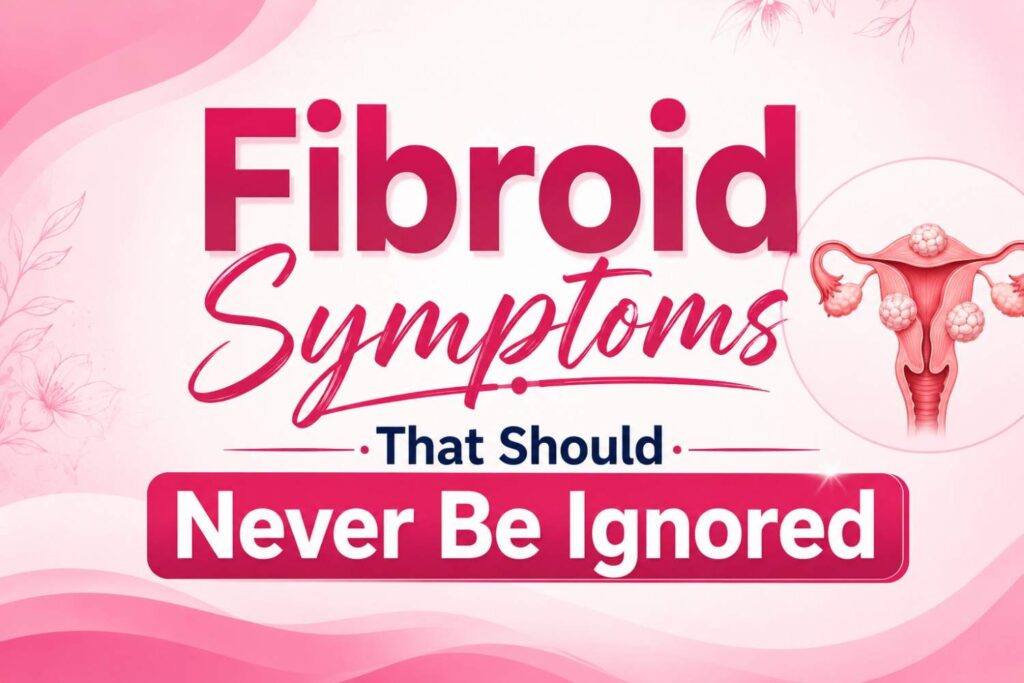
Uterine fibroids are common non-cancerous growths that develop in or around the uterus. Some women with fibroids may have no symptoms at all, while others can experience heavy menstrual bleeding, pelvic pain, abdominal pressure, frequent urination, painful intercourse or difficulties with fertility.
Because some fibroid symptoms can gradually become part of everyday life, women may ignore them or assume that heavy periods and pelvic discomfort are simply normal. However, persistent or worsening symptoms should not be overlooked.
Recognizing the warning signs of uterine fibroids can help you seek timely medical evaluation and understand which treatment options may be appropriate.
In this guide, we discuss the fibroid symptoms that should never be ignored, when you should consult a gynaecologist, how fibroids are diagnosed and the available treatment options.
What Are Uterine Fibroids?
Uterine fibroids are growths that develop from the muscular tissue of the uterus. They are usually benign, meaning they are not cancerous.
Fibroids can vary significantly in:
- Size
- Number
- Location
- Growth pattern
- Symptoms they produce
Some fibroids are very small and may never cause problems. Others can become large enough to change the shape of the uterus or put pressure on nearby organs.
Fibroids are particularly common during the reproductive years and are influenced by hormones such as oestrogen and progesterone.
What Causes Fibroids?
The exact cause of fibroids is not fully understood. Several factors may contribute to their development and growth.
Hormonal Factors
Oestrogen and progesterone can influence fibroid growth. Fibroids often grow during the reproductive years and may shrink after menopause when hormone levels decline.
Genetic Factors
Women with a family history of uterine fibroids may have a higher likelihood of developing them.
Age and Reproductive Factors
Fibroids are more commonly diagnosed during the reproductive years. Their development can be influenced by hormonal and reproductive factors.
Other Factors
Body weight, lifestyle and other biological factors may also influence the likelihood of developing fibroids, although having one risk factor does not necessarily mean a woman will develop them.
Types of Uterine Fibroids
Fibroids are commonly classified according to where they develop.
1. Intramural Fibroids
These develop within the muscular wall of the uterus and are among the most common types.
They may cause:
- Heavy menstrual bleeding
- Pelvic pressure
- Period pain
- Abdominal enlargement
2. Submucosal Fibroids
These grow toward the inner cavity of the uterus.
Even relatively small submucosal fibroids can sometimes cause significant menstrual bleeding and may be associated with fertility problems.
3. Subserosal Fibroids
These develop on the outer surface of the uterus.
Large subserosal fibroids can put pressure on surrounding organs, potentially causing urinary or bowel symptoms.
4. Pedunculated Fibroids
Some fibroids develop on a stalk attached to the uterus. These are called pedunculated fibroids.
Their symptoms depend on their size and location.
Fibroid Symptoms That Should Never Be Ignored
Not every woman with fibroids experiences symptoms. However, certain symptoms deserve medical evaluation, particularly when they are persistent, severe or progressively worsening.
1. Very Heavy Menstrual Bleeding
One of the most important fibroid symptoms is unusually heavy menstrual bleeding.
You may notice:
- Needing to change sanitary products unusually frequently
- Bleeding that interferes with work or daily activities
- Passing large blood clots
- Periods lasting longer than usual
- Feeling exhausted during or after your period
Heavy bleeding can occur when fibroids affect the uterine cavity or interfere with the normal contraction of the uterus.
If heavy periods repeatedly affect your quality of life, consult a gynaecologist rather than simply accepting them as normal.
2. Periods That Last Much Longer Than Usual
A menstrual period that consistently lasts longer than your usual cycle may require evaluation.
Fibroids can contribute to prolonged menstrual bleeding, particularly when they are located close to the uterine cavity.
Long-lasting bleeding can also have other causes, so proper diagnosis is important.
3. Severe or Persistent Pelvic Pain
Mild menstrual cramps are common, but persistent or severe pelvic pain should not be ignored.
Fibroid-related discomfort may feel like:
- Lower abdominal pain
- Pelvic pressure
- Cramping
- Aching in the lower back
- A feeling of heaviness in the pelvis
Pain can be more noticeable during menstruation, but some women may experience discomfort throughout the month.
4. Pelvic Pressure or Fullness
A growing fibroid can create pressure inside the pelvis.
Women may describe this as:
- A feeling of heaviness
- Pelvic fullness
- Pressure in the lower abdomen
- A sensation of something pressing inside the pelvis
This symptom may become more noticeable when fibroids become larger.
5. Abdominal Enlargement or a Visible Bulge
Large fibroids can sometimes make the abdomen appear enlarged.
Some women may notice that their clothes become tighter around the waist even without significant changes in body weight.
An enlarged abdomen can have many causes, so persistent unexplained abdominal enlargement should be medically assessed.
6. Frequent Urination
Fibroids located near the bladder can put pressure on it.
This may result in:
- Frequent urination
- Increased urgency
- Difficulty holding urine
- Feeling that the bladder does not empty completely
If urinary symptoms persist, it is important to determine whether fibroids are actually responsible or whether another urinary condition is present.
7. Constipation or Difficulty Passing Stool
Large fibroids can sometimes press against the bowel.
This may contribute to:
- Constipation
- Abdominal pressure
- Difficulty passing stool
- A feeling of incomplete bowel emptying
Persistent bowel changes should be evaluated because digestive problems can have many different causes.
8. Pain During Sexual Intercourse
Some women with fibroids experience pain or discomfort during sexual intercourse.
This may be influenced by the size and location of the fibroid.
Pain during intercourse should not be considered something a woman simply has to tolerate. It can be associated with several gynaecological conditions, including fibroids, endometriosis, pelvic infections and other problems.
9. Fatigue, Weakness or Dizziness
Heavy menstrual bleeding caused by fibroids can lead to iron-deficiency anaemia.
Possible symptoms include:
- Persistent tiredness
- Weakness
- Dizziness
- Shortness of breath with activity
- Headaches
- Reduced concentration
- Pale skin
If heavy periods are accompanied by significant fatigue or weakness, speak with a healthcare professional.
10. Difficulty Becoming Pregnant
Fibroids do not always affect fertility, but certain fibroids—particularly those that distort the uterine cavity—may make conception or maintaining a pregnancy more difficult.
If you are trying to conceive and have been diagnosed with fibroids, discuss the location and size of the fibroids with a gynaecologist.
11. Recurrent Pregnancy Problems
Some fibroids may be associated with pregnancy complications depending on their size and location.
If you have recurrent pregnancy problems and known fibroids, a detailed gynaecological assessment can help determine whether the fibroids may be contributing.
When Are Fibroid Symptoms an Emergency?
Most fibroid symptoms are not emergencies, but sudden severe symptoms require prompt medical attention.
Seek urgent medical care if you experience:
- Extremely heavy vaginal bleeding
- Severe or sudden pelvic pain
- Fainting or severe dizziness
- Significant weakness
- Shortness of breath associated with heavy bleeding
- Severe abdominal pain with vomiting or fever
These symptoms may have causes other than fibroids, so urgent assessment is important.
Can Fibroids Cause Anaemia?
Yes. Heavy or prolonged menstrual bleeding caused by fibroids can lead to iron-deficiency anaemia.
Anaemia occurs when the body does not have enough healthy red blood cells or haemoglobin to carry adequate oxygen.
Symptoms can include:
- Fatigue
- Weakness
- Dizziness
- Headaches
- Breathlessness
- Palpitations
- Pale appearance
If you have heavy periods and symptoms of anaemia, your doctor may recommend blood tests such as a complete blood count and iron studies.
Treating the underlying cause of heavy bleeding is important rather than relying only on iron supplementation.
Can Fibroids Affect Fertility?
Many women with fibroids become pregnant without difficulty.
However, fertility can sometimes be affected depending on:
- Fibroid location
- Size
- Number of fibroids
- Whether the uterine cavity is distorted
- Other reproductive health factors
Submucosal fibroids, in particular, can affect the uterine cavity and may have a greater impact on fertility than some other types.
If you are planning pregnancy, your gynaecologist can assess whether treatment is necessary or whether observation is appropriate.
How Are Fibroids Diagnosed?
A doctor may use several methods to evaluate suspected fibroids.
Medical History and Pelvic Examination
Your doctor may ask about:
- Menstrual bleeding
- Pain
- Urinary symptoms
- Bowel symptoms
- Pregnancy history
- Fertility concerns
- Previous gynaecological conditions
A pelvic examination may provide additional information.
Ultrasound
Ultrasound is commonly used to identify and assess uterine fibroids.
It can help determine:
- Number of fibroids
- Size
- Location
- Relationship to the uterine cavity
- Changes in the uterus
Depending on the situation, a transvaginal ultrasound may provide more detailed information.
MRI
MRI may sometimes be recommended when more detailed information about the number, size and location of fibroids is needed, particularly when planning certain treatments or surgery.
Hysteroscopy
When a fibroid is suspected to be inside or projecting into the uterine cavity, hysteroscopy may be recommended for further evaluation and, in selected cases, treatment.
Fibroid Treatment Options
Fibroid treatment is not the same for every woman.
The appropriate approach depends on:
- Symptoms
- Fibroid size
- Fibroid location
- Number of fibroids
- Age
- Pregnancy plans
- Fertility goals
- Overall health
- Rate of growth
- Impact on quality of life
1. Observation
If fibroids are small and do not cause significant symptoms, your doctor may recommend monitoring them.
Periodic clinical assessment and imaging may be sufficient.
2. Medication
Depending on the symptoms, doctors may prescribe medicines to help manage heavy menstrual bleeding or pain.
Some hormonal treatments can reduce bleeding and may temporarily reduce fibroid-related symptoms.
Medication generally manages symptoms rather than permanently removing fibroids.
3. Minimally Invasive Procedures
Certain minimally invasive procedures may be suitable for selected women.
The choice depends on the patient’s symptoms, fibroid characteristics and future fertility plans.
4. Surgical Treatment
Surgery may be recommended when fibroids are:
- Causing severe symptoms
- Associated with significant bleeding
- Large or rapidly increasing in size
- Affecting fertility
- Pressing on nearby organs
- Not responding adequately to other treatments
When Is Fibroid Surgery Recommended?
Not every fibroid needs surgery.
A gynaecologist may recommend surgical treatment when the benefits of removing the fibroid are likely to outweigh the risks.
Myomectomy
A myomectomy removes fibroids while preserving the uterus.
It may be considered for women who want to preserve fertility or retain their uterus.
Depending on the fibroid’s location, myomectomy may be performed using different approaches.
Laparoscopic Myomectomy
For selected fibroids, laparoscopic surgery may be performed through small abdominal incisions.
Potential advantages may include:
- Smaller incisions
- Less postoperative discomfort
- Shorter hospital stay in appropriate cases
- Faster recovery compared with some open procedures
However, not every fibroid is suitable for laparoscopic surgery. The decision depends on factors such as size, number and location.
Hysteroscopic Myomectomy
For selected fibroids that project into the uterine cavity, a hysteroscopic approach may be used.
The procedure is performed through the vagina and cervix without an abdominal incision.
Hysterectomy
Hysterectomy involves removal of the uterus.
It may be considered for women with severe fibroid symptoms who do not wish to become pregnant in the future, particularly when other treatments are unsuitable or unsuccessful.
The choice of treatment should always be individualized after discussion with a qualified gynaecologist.
Can Fibroids Be Prevented?
There is no guaranteed way to prevent uterine fibroids.
However, maintaining a healthy lifestyle and attending regular gynaecological check-ups can support overall reproductive health.
If you have previously been diagnosed with fibroids, regular follow-up can help monitor changes in their size and symptoms.
Most importantly, do not ignore persistent heavy bleeding, pelvic pain or pressure.
Frequently Asked Questions
What are the most common fibroid symptoms?
Common symptoms include heavy or prolonged menstrual bleeding, pelvic pain or pressure, abdominal fullness, frequent urination, constipation and pain during intercourse.
Are fibroids cancerous?
Most uterine fibroids are benign and are not cancerous. However, any unusual or rapidly changing uterine mass should be appropriately evaluated by a medical professional.
Can fibroids disappear on their own?
Fibroids generally do not disappear as quickly as functional ovarian cysts. They may shrink after menopause as hormone levels decline, but individual outcomes vary.
Can fibroids cause heavy periods?
Yes. Fibroids, particularly those affecting the uterine cavity, can cause heavy or prolonged menstrual bleeding.
Can fibroids cause weight gain?
Fibroids themselves do not directly cause body-fat gain. However, large fibroids can increase abdominal size and create a feeling of fullness or bloating.
Can fibroids cause infertility?
Some fibroids can affect fertility, particularly those that distort the uterine cavity. However, many women with fibroids conceive naturally.
Do all fibroids require surgery?
No. Many fibroids can be managed with observation or medication. Surgery is generally considered when symptoms are significant, fibroids are large or problematic, or there are specific fertility or medical concerns.
Is laparoscopic surgery possible for fibroids?
Laparoscopic myomectomy can be an option for selected fibroids. Suitability depends on factors including size, number, location and the patient’s individual circumstances.
When should I see a gynaecologist for fibroids?
You should consider a gynaecological consultation if you have unusually heavy periods, persistent pelvic pain, prolonged menstrual bleeding, abdominal pressure, urinary symptoms, fertility concerns or a known fibroid that is causing symptoms.
Key Takeaways
- Fibroids are common, usually benign growths of the uterus.
- Some fibroids cause no symptoms, while others can significantly affect quality of life.
- Heavy or prolonged menstrual bleeding should never be ignored.
- Persistent pelvic pain or pressure may be associated with fibroids.
- Large fibroids can cause urinary or bowel symptoms by pressing on nearby organs.
- Heavy bleeding can lead to iron-deficiency anaemia.
- Certain fibroids may affect fertility depending on their size and location.
- Ultrasound is commonly used to diagnose and monitor fibroids.
- Treatment depends on symptoms, fibroid characteristics and pregnancy plans.
- Myomectomy can remove fibroids while preserving the uterus in appropriate patients.
- Sudden severe pain or extremely heavy bleeding requires urgent medical assessment.
Conclusion
Uterine fibroids are common and often manageable, but their symptoms should not be dismissed—especially when they interfere with your daily life.
Heavy periods, persistent pelvic pain, abdominal pressure, frequent urination, painful intercourse and fertility concerns can all be reasons to consult a gynaecologist. Early evaluation can help determine whether fibroids are responsible for your symptoms and whether monitoring, medication, minimally invasive treatment or surgery is appropriate.
If you have been diagnosed with fibroids or are experiencing symptoms that may be related to them, a personalized gynaecological evaluation can help you understand your treatment options.
Consult a Gynaecologist at Anand Hospital, Amritsar
If you are experiencing heavy menstrual bleeding, pelvic pain, prolonged periods or other symptoms associated with uterine fibroids, consult the gynaecology team at Anand Hospital, Amritsar.
Anand Hospital, Inner Circular Road, Chatiwind, Amritsar
For appointments and further information, contact the hospital directly.