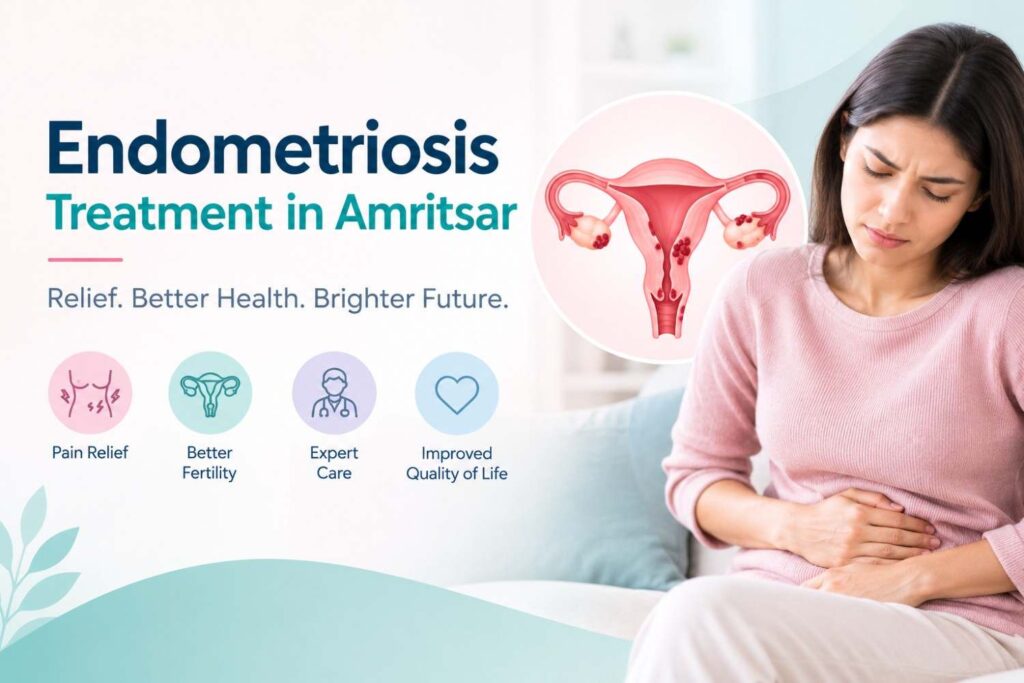
Endometriosis treatment in Amritsar is an important consideration for women experiencing severe period pain, persistent pelvic discomfort, painful intercourse, or difficulty getting pregnant. Endometriosis is a chronic gynaecological condition that can affect daily activities, emotional well-being, and reproductive health. Early medical evaluation can help identify the cause of symptoms and guide appropriate treatment.
Endometriosis occurs when tissue similar to the lining of the uterus grows outside the uterus, commonly around the ovaries, fallopian tubes, and pelvic lining. This tissue can contribute to inflammation, pain, and scar tissue formation.
Although endometriosis can be a long-term condition, several treatment options are available to help manage symptoms and improve quality of life. Depending on the severity of the condition and individual goals, treatment may include medication, hormonal therapy, laparoscopic surgery, or fertility support.
In this guide, we explain the symptoms, causes, diagnosis, treatment options, and when to consult a gynaecologist for endometriosis care in Amritsar.
What Is Endometriosis?
Endometriosis is a condition in which tissue similar to the endometrium, the lining of the uterus, grows outside the uterus.
These areas of tissue may develop around the ovaries, fallopian tubes, pelvic lining, bowel, or bladder. In some cases, endometriosis can cause ovarian cysts called endometriomas.
The tissue can respond to hormonal changes during the menstrual cycle, contributing to inflammation, irritation, and scar tissue known as adhesions. These changes may cause pain and, in some individuals, difficulties with fertility.
Endometriosis can affect women and girls from adolescence through the reproductive years and sometimes beyond. Symptoms vary considerably: some people experience severe pain, while others have few or no noticeable symptoms.
What Are the Common Symptoms of Endometriosis?
Recognising the symptoms of endometriosis can help women seek medical advice sooner. Symptoms may overlap with other conditions, so a clinical assessment is important.
1. Severe Period Pain
Painful periods are one of the most common symptoms of endometriosis.
Although mild menstrual discomfort is common, pain that interferes with work, studies, sleep, or everyday activities should not be dismissed as normal.
Endometriosis-related period pain may:
- Begin before menstruation.
- Continue during or after the period.
- Become more severe over time.
- Respond inadequately to usual pain relief.
2. Chronic Pelvic Pain
Some women experience persistent pain in the lower abdomen or pelvis, even outside their menstrual periods.
This pain may affect daily movement, physical activity, sleep, and quality of life.
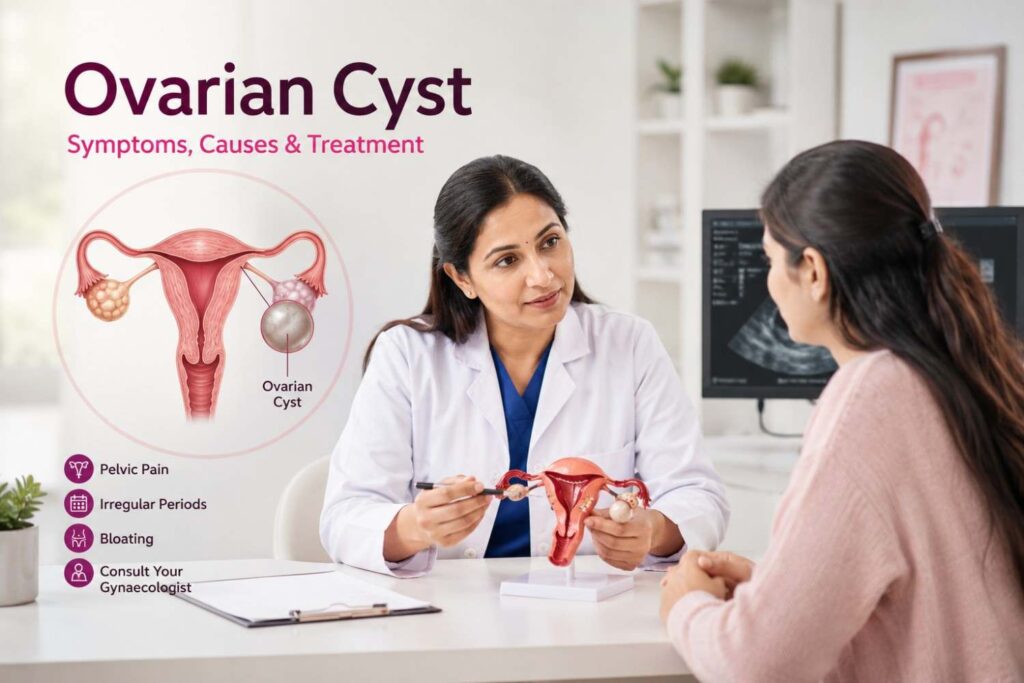
Persistent pelvic pain can have several causes, including endometriosis, ovarian cysts, fibroids, and pelvic infections. A gynaecological evaluation can help identify the likely cause.
3. Pain During or After Sexual Intercourse
Deep pain during or after sexual intercourse can sometimes be associated with endometriosis, particularly when lesions affect structures within the pelvis.
Women experiencing recurrent pain should discuss it with a healthcare professional rather than continuing to tolerate the discomfort.
4. Heavy or Irregular Menstrual Bleeding
Some women with endometriosis report heavy periods or bleeding irregularities. However, these symptoms are not specific to endometriosis and may also occur with hormonal conditions, fibroids, or other gynaecological problems.
Seek medical advice if bleeding is unusually heavy, persistent, or different from your normal pattern.
5. Pain During Bowel Movements or Urination
When endometriosis affects areas near the bowel or bladder, it may cause pain during bowel movements or urination, particularly around menstruation.
Cyclical bowel symptoms, urinary discomfort, or blood in the urine require appropriate medical evaluation.
6. Difficulty Getting Pregnant
Endometriosis can affect fertility in some women. Inflammation, ovarian involvement, and scar tissue may interfere with the normal function of reproductive organs.
However, a diagnosis of endometriosis does not automatically mean that pregnancy will be impossible. Many women with endometriosis conceive naturally, while others may benefit from fertility evaluation and treatment.
7. Fatigue and Reduced Quality of Life
Chronic pain, disrupted sleep, and ongoing symptoms can contribute to fatigue, emotional stress, and reduced quality of life.
Discuss the full impact of your symptoms with your doctor so that treatment can address more than pain alone.
What Causes Endometriosis?
The exact cause of endometriosis is not fully understood. Researchers have proposed several possible explanations, and more than one mechanism may contribute to the condition.
Possible contributing factors include:
- Genetic factors: Endometriosis may be more common among people with a close family history of the condition.
- Immune and inflammatory factors: Differences in immune responses may influence how endometriosis develops and persists.
- Hormonal influences: Oestrogen plays an important role in the growth and activity of endometriosis tissue.
- Menstrual and cellular mechanisms: Several biological processes may contribute to endometriosis developing outside the uterus.
Endometriosis is not caused by poor hygiene, and it is not something a woman should blame herself for developing.
Understanding the condition and seeking appropriate medical advice are important steps toward effective management.
How Is Endometriosis Diagnosed?
An accurate diagnosis helps your gynaecologist determine the most suitable treatment. Endometriosis can sometimes take time to identify because its symptoms overlap with those of other conditions.
1. Medical History and Symptom Assessment
Your doctor may ask about your menstrual cycle, pain severity, symptom patterns, previous treatments, family history, and fertility goals.
Keeping a menstrual and pain diary can help identify whether symptoms occur consistently around your period.
2. Physical and Pelvic Examination
A physical examination may be recommended to assess pelvic tenderness or identify possible abnormalities. A normal examination does not rule out endometriosis.
3. Ultrasound Scan
A pelvic ultrasound, including a transvaginal ultrasound when appropriate and acceptable, can help identify ovarian endometriomas and some forms of deep endometriosis. It may also help identify other possible causes of pelvic pain.
However, a normal ultrasound does not exclude all forms of endometriosis, especially superficial disease.
4. MRI Scan
In selected cases, magnetic resonance imaging (MRI) may be recommended to assess suspected deep endometriosis, evaluate disease extent, or support surgical planning.
5. Laparoscopy
Laparoscopy is a minimally invasive surgical procedure in which a small camera is inserted through a small incision in the abdomen.
It may be used to investigate suspected endometriosis and, when appropriate, treat visible lesions during the same procedure. Tissue may be collected for laboratory examination when indicated.
Surgery is not required for every patient before treatment can begin. Clinical assessment and imaging can support a presumptive diagnosis and help guide initial management.
What Are the Treatment Options for Endometriosis in Amritsar?
Endometriosis treatment depends on the severity of symptoms, the location and extent of the disease, previous treatments, potential side effects, and whether the patient wishes to become pregnant.
There is currently no guaranteed permanent cure for endometriosis, but treatment can help manage symptoms and improve quality of life.
1. Pain-Relief Medication
Pain-relief medicines may help reduce menstrual cramps and pelvic discomfort.
A healthcare professional can advise which medication is suitable, taking into account other health conditions, possible side effects, and any medicines you already use.
Pain relief can manage symptoms but does not necessarily treat the underlying endometriosis lesions.
2. Hormonal Therapy
Hormonal treatments can reduce the hormonal stimulation of endometriosis tissue and help manage pain.
Depending on individual circumstances, options may include:
- Combined hormonal contraceptives.
- Progestogen-based medicines.
- Hormonal intrauterine devices.
- Other specialist hormonal medicines, including GnRH-based treatments in selected cases.
The appropriate option depends on symptom severity, medical history, potential side effects, and personal preferences.
Hormonal treatments generally suppress symptoms rather than permanently eliminate endometriosis. They are not suitable for every patient and are not used as fertility-enhancing treatment while actively trying to conceive.
3. Laparoscopic Surgery for Endometriosis
Laparoscopic surgery may be considered when symptoms remain significant despite medical treatment, when certain forms of endometriosis require surgical management, or when surgery is appropriate as part of an individual fertility plan.
During the procedure, the surgeon may remove or destroy endometriosis lesions and address selected adhesions or endometriomas, depending on the findings and surgical goals.
Potential benefits include:
- Relief from pain in appropriately selected patients.
- Treatment of visible endometriosis lesions.
- Management of certain ovarian endometriomas.
- Possible improvement in fertility for some patients, depending on individual circumstances.
As with any operation, laparoscopy carries risks, including bleeding, infection, injury to nearby organs, and formation of additional adhesions. Symptoms may also return after treatment.
Surgery involving the ovaries requires particular care because ovarian procedures can affect ovarian reserve. The possible benefits and risks should be discussed before deciding on treatment.
4. Fertility Assessment and Treatment
For women who wish to become pregnant, treatment planning should take fertility goals into account.
A fertility assessment may consider age, ovarian reserve, fallopian tube function, the presence of endometriosis-related cysts, and other factors affecting conception.
Depending on the circumstances, options may include expectant management, selected surgery, or assisted reproductive techniques.
Hormonal suppression can help manage pain, but it does not improve the chance of spontaneous pregnancy while a patient is taking treatment designed to prevent ovulation.
A personalised plan can help balance pain management with reproductive goals.
5. Supportive Pain Management
Some patients benefit from supportive strategies alongside medical treatment.
These may include:
- Gentle physical activity as tolerated.
- Heat therapy for menstrual discomfort.
- Adequate sleep and rest.
- Nutritional support where needed.
- Pelvic floor physiotherapy when appropriate.
- Emotional support for the impact of chronic pain.
These measures do not cure endometriosis, but they may help some people manage symptoms and improve daily functioning.
Can Endometriosis Affect Fertility?
Yes. Endometriosis can affect fertility in some women, although the impact varies considerably.
Possible mechanisms include inflammation, adhesions, damage to reproductive structures, and ovarian involvement.
However, endometriosis does not automatically lead to infertility. Many women with the condition become pregnant naturally.
If you are trying to conceive and have symptoms suggestive of endometriosis, discuss fertility assessment early with your gynaecologist. Treatment should be tailored to your reproductive goals rather than focusing only on pain relief.
Surgery may benefit selected patients, but it is not always the best first step. In particular, ovarian surgery may affect ovarian reserve, so its risks and benefits require careful discussion.
What Is the Difference Between Endometriosis and PCOS?
Endometriosis and polycystic ovary syndrome (PCOS) are different conditions, although both can affect reproductive health.
Endometriosis involves tissue similar to the uterine lining growing outside the uterus. Common symptoms include painful periods, chronic pelvic pain, and pain during intercourse.
PCOS is a hormonal and metabolic condition that can involve irregular ovulation, irregular periods, increased androgen levels, and polycystic ovarian appearance on ultrasound.
Both conditions can affect fertility, but their diagnosis and treatment differ. A healthcare professional can assess symptoms and recommend appropriate investigations.
When Should You Consult a Gynaecologist?
Consider booking an appointment if you experience:
- Period pain that interferes with everyday activities.
- Persistent or recurring pelvic pain.
- Pain during or after sexual intercourse.
- Painful bowel movements or urination around your period.
- Difficulty getting pregnant.
- Symptoms that continue despite treatment for menstrual pain.
Seek urgent medical care for sudden, severe pelvic pain, especially if it is accompanied by fainting, fever, persistent vomiting, or heavy bleeding.
Early assessment can help identify the cause of symptoms and guide an appropriate treatment plan.
Endometriosis Treatment at Anand Hospital, Amritsar
Women experiencing persistent menstrual pain, pelvic discomfort, or concerns about fertility should seek appropriate gynaecological evaluation rather than assuming these symptoms are a normal part of menstruation.
At Anand Hospital, Amritsar, patients can seek medical guidance for gynaecological concerns and discuss suitable investigations and treatment options with a qualified healthcare professional.
Treatment decisions may involve medication, further diagnostic evaluation, laparoscopic surgery when clinically indicated, or fertility-related assessment.
The most appropriate treatment depends on each patient’s symptoms, examination findings, medical history, and reproductive goals.
To learn more about available gynaecological services, visit the Anand Hospital website or contact the hospital to confirm appointment availability and the appropriate specialist.
Frequently Asked Questions About Endometriosis Treatment
1. Can endometriosis be cured permanently?
There is no guaranteed permanent cure for endometriosis. Medication and surgery can help manage symptoms, but the condition may persist or recur. Long-term management depends on symptoms and individual goals.
2. What is the best treatment for endometriosis?
There is no single best treatment for everyone. Options include pain-relief medicines, hormonal therapy, laparoscopic surgery, and fertility treatment when appropriate. Your doctor can recommend a plan based on your circumstances.
3. Is laparoscopic surgery necessary for every patient?
No. Many patients can begin treatment based on symptoms, clinical assessment, and imaging. Laparoscopy may be considered when surgery is clinically indicated or when further evaluation is needed.
4. Can endometriosis cause infertility?
Endometriosis can affect fertility in some women, but many women with the condition conceive naturally. A fertility evaluation can help determine whether additional treatment may be useful.
5. Does endometriosis always cause severe pain?
No. Some women experience severe pain, while others have mild symptoms or no noticeable symptoms. Symptom severity does not always correspond to the extent of the disease.
6. Can endometriosis return after surgery?
Yes. Symptoms and lesions can recur after surgery. Follow-up care and, in selected patients, additional medical treatment may help manage recurrence risk.
7. Can endometriosis be treated without surgery?
Yes. Depending on the clinical situation, treatment may include pain-relief medicines, hormonal therapy, and supportive care. Surgery is considered when appropriate rather than being necessary for everyone.
8. When should I seek treatment for painful periods?
If period pain interferes with everyday activities, becomes progressively worse, or does not improve with usual measures, consult a gynaecologist for assessment.
9. Can endometriosis affect the bowel or bladder?
Yes. Endometriosis can sometimes involve areas around the bowel or bladder and cause cyclical pain or other symptoms. Further evaluation may be needed when these symptoms occur.
10. Where can I seek endometriosis treatment in Amritsar?
You can contact Anand Hospital, Amritsar, to ask about gynaecological evaluation, relevant diagnostic services, and available treatment options. The appropriate care pathway depends on your symptoms and medical needs.
Conclusion
Endometriosis is a long-term gynaecological condition that can affect menstrual health, daily activities, and fertility. Recognising symptoms such as severe period pain, persistent pelvic discomfort, and painful intercourse can help women seek assessment sooner.
Endometriosis treatment in Amritsar may involve medication, hormonal therapy, laparoscopic surgery, or fertility-related care, depending on the individual patient’s needs.
If menstrual pain is affecting your quality of life, do not feel that you must simply tolerate it. Consult a qualified healthcare professional to discuss your symptoms and explore appropriate treatment options.
Anand Hospital, Amritsar, encourages women to take their gynaecological health seriously and seek timely medical guidance.
Medical disclaimer: This article is intended for educational purposes only. It does not replace professional medical advice, diagnosis, or individualised treatment.