Knee pain is a common problem that can affect people of all ages. It may develop gradually due to arthritis and age-related joint changes or suddenly following an injury, fall or strenuous physical activity. For some people, knee pain improves with simple care, while others may experience persistent discomfort that affects walking, climbing stairs, sleeping and performing everyday activities.
Understanding the causes, symptoms and treatment options for knee pain can help you make informed decisions about your joint health. Depending on the underlying condition, treatment may include physiotherapy, medication, lifestyle modifications, injections or knee replacement surgery.
If you are experiencing persistent knee pain, consulting an orthopaedic specialist can help identify the cause and determine the most appropriate treatment. At Anand Hospital, Amritsar, patients can seek medical evaluation for knee pain and discuss suitable treatment options based on their individual needs.
What Are the Common Causes of Knee Pain?
The knee is a complex joint supported by bones, cartilage, ligaments, tendons and muscles. Problems affecting any of these structures can lead to pain, swelling or restricted movement.
1. Osteoarthritis
Osteoarthritis is a common cause of long-term knee pain, particularly among older adults. It develops when the joint undergoes degenerative changes that can affect cartilage, bone and surrounding tissues.
Common symptoms include:
- Pain during walking or physical activity
- Stiffness after resting
- Swelling around the joint
- Difficulty climbing stairs
- Reduced knee movement
- Grinding or crackling sensations
As symptoms progress, osteoarthritis may interfere with routine activities and reduce mobility.
2. Knee Injuries
Knee injuries can occur during sports, exercise, falls or accidents. Common injuries include ligament tears, meniscus injuries, sprains and tendon damage.
Symptoms may include sudden pain, swelling, difficulty bending the knee or a feeling that the joint is unstable. Some injuries require prompt medical assessment to prevent further damage.
3. Rheumatoid Arthritis
Rheumatoid arthritis is an autoimmune condition that can cause inflammation in the joints. When it affects the knees, symptoms may include swelling, pain, warmth and prolonged stiffness, especially after periods of inactivity.
Early diagnosis and appropriate treatment can help manage inflammation and protect joint function.
4. Meniscus Tears
The meniscus is cartilage that helps cushion and stabilize the knee. It can tear during a twisting movement or as a result of age-related changes.
A meniscus tear may cause pain, swelling, difficulty bending the knee, catching sensations or locking of the joint.
5. Tendonitis and Bursitis
Repeated movements, exercise or pressure on the knee can irritate tendons or inflame small fluid-filled sacs called bursae.
These conditions may cause localized pain, tenderness and swelling, particularly during movement or kneeling.
6. Gout and Other Inflammatory Conditions
Gout can cause sudden episodes of severe pain, redness, warmth and swelling in the knee. Other inflammatory conditions can also affect the joint.
A hot, red and swollen knee, particularly with fever or feeling unwell, requires urgent medical assessment because infection is another possible cause.
7. Excess Weight and Muscle Weakness
Excess body weight can increase the load placed on the knees. Weakness in the muscles supporting the joint can also affect stability and movement.
Appropriate strengthening exercises and weight management may help improve symptoms in suitable patients.
What Are the Symptoms of Knee Pain?
Knee pain symptoms vary depending on the cause and severity of the condition.
Common symptoms include:
- Pain while walking or standing
- Difficulty climbing or descending stairs
- Swelling around the knee
- Stiffness after sitting or waking up
- Difficulty bending or straightening the leg
- Tenderness around the joint
- Reduced range of motion
- Clicking or grinding sensations
- A feeling that the knee may give way
- Difficulty standing up from a chair
- Pain during exercise or at night
Occasional painless clicking does not necessarily indicate a serious problem. However, clicking associated with pain, swelling, locking or instability should be evaluated.
When Should You See a Doctor for Knee Pain?
Mild knee discomfort may improve with appropriate home care, but persistent or worsening symptoms should not be ignored.
Consider an orthopaedic assessment if:
- Your knee pain continues for several weeks.
- Pain repeatedly returns after activity.
- Swelling does not improve.
- You have difficulty walking or climbing stairs.
- Your knee locks or gives way.
- You cannot fully bend or straighten your knee.
- Pain affects your sleep or daily routine.
Seek urgent medical care if you cannot bear weight after an injury, the knee becomes severely swollen or changes shape, or you develop a hot, red and swollen knee with fever or chills. These symptoms may indicate a serious injury or infection.
How Is Knee Pain Diagnosed?
Accurate diagnosis is important because different knee conditions require different treatments.
During an orthopaedic consultation, the doctor may ask about the onset of pain, previous injuries, daily activities, medical history and symptoms that make the discomfort worse.
The examination may assess:
- Knee movement and flexibility
- Swelling and tenderness
- Joint stability
- Muscle strength
- Walking pattern and alignment
Tests for Knee Pain
Depending on the findings, the doctor may recommend:
X-ray: Helps assess bone alignment, joint-space changes and signs of osteoarthritis.
MRI: Provides detailed images of soft tissues, including ligaments, meniscus, cartilage and tendons.
Blood tests: May be advised when inflammatory arthritis, gout or another medical condition is suspected.
Joint-fluid testing: May be required in selected cases to investigate infection or crystal-related arthritis.
Not every patient needs every test. Investigations are selected according to symptoms and clinical findings.
Knee Pain Treatment Options
The most appropriate treatment depends on the cause of pain, the extent of joint damage, the patient’s age, general health and activity requirements.
1. Rest and Activity Modification
Temporarily reducing activities that aggravate knee pain may help, particularly after minor injuries or overuse.
Avoid prolonged inactivity unless your doctor advises it. Gentle movement within a comfortable range can help maintain mobility while the knee recovers.
2. Ice and Supportive Care
A cold pack wrapped in a towel may help relieve pain and swelling after an injury. Apply it for up to 20 minutes at a time, allowing the skin to return to its normal temperature between applications.
Avoid placing ice directly on the skin. People with reduced skin sensation or circulation problems should seek advice before using cold therapy.
3. Physiotherapy and Exercise
Physiotherapy can help many patients with knee pain by improving muscle strength, flexibility, balance and joint movement.
A tailored exercise programme may include:
- Quadriceps strengthening
- Hamstring strengthening
- Gentle range-of-motion exercises
- Balance training
- Low-impact aerobic activity
Exercises should be selected according to the diagnosis. Stop activities that cause significant pain and consult your healthcare professional if symptoms worsen.
4. Medicines
Depending on the underlying condition, a doctor may recommend pain-relieving or anti-inflammatory medicines.
The choice of medication depends on factors such as age, kidney function, stomach health, other medical conditions and existing medicines. Avoid prolonged self-medication without professional advice.
5. Knee Injections
In selected cases, injections may be considered to help manage symptoms. Their suitability and expected benefits depend on the diagnosis, severity of joint damage and type of injection.
An orthopaedic specialist can explain the potential benefits, limitations and risks before recommending this treatment.
6. Weight Management
For patients who are overweight, gradual weight reduction may reduce the load on the knee and improve mobility.
A balanced diet combined with suitable physical activity can support joint health and overall well-being.
7. Knee Surgery
Surgery may be considered when an injury or structural problem requires surgical repair, or when symptoms remain significant despite appropriate non-surgical treatment.
Depending on the condition, surgical options may include arthroscopy for selected problems, ligament reconstruction, or partial or total knee replacement.
Surgery is not necessary for every patient with knee pain. The decision should follow a thorough assessment.
When Is Knee Replacement Surgery Recommended?
Knee replacement surgery may be considered for people with advanced knee osteoarthritis or significant joint damage when pain and mobility problems persist despite appropriate non-surgical treatment.
Signs that a specialist assessment may be helpful include:
- Persistent knee pain that limits daily activities
- Difficulty walking even short distances
- Significant stiffness or restricted movement
- Difficulty climbing stairs or standing from a chair
- Pain that interferes with sleep
- Limited improvement with medicines, exercise or physiotherapy
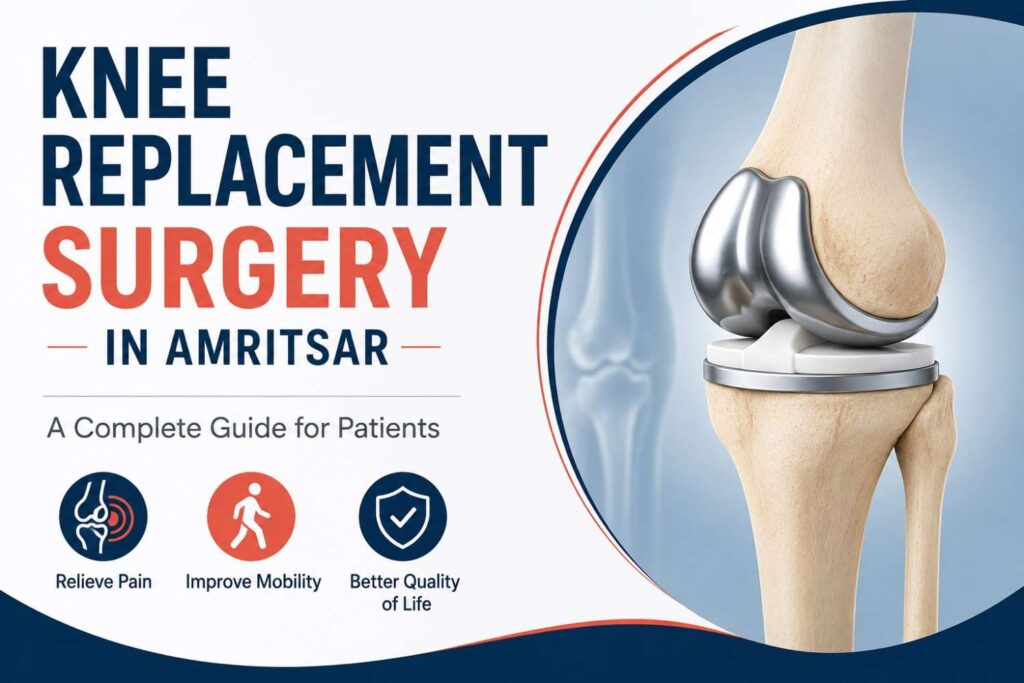
In total knee replacement, damaged joint surfaces are replaced with artificial components. Partial knee replacement may be suitable when damage is limited to one compartment of the joint.
The appropriate procedure depends on the location and extent of joint damage, ligament function, general health and personal circumstances. Age alone does not determine whether someone needs knee replacement.
How Can You Help Prevent Knee Pain?
Although not every cause of knee pain can be prevented, certain habits may help maintain joint health.
Maintain a Healthy Weight
Maintaining a healthy weight can reduce stress on the knee joints.
Stay Physically Active
Regular, appropriate physical activity helps maintain muscle strength and mobility. Walking, cycling and swimming may be suitable options for many people.
Strengthen Supporting Muscles
Strong thigh and hip muscles help support movement and joint function. A physiotherapist can recommend appropriate exercises.
Warm Up Before Exercise
Warm up before sports or strenuous physical activity, and increase exercise intensity gradually.
Wear Suitable Footwear
Comfortable footwear appropriate for your activities can support stability and movement.
Address Injuries Early
Seek appropriate care after significant knee injuries instead of returning to strenuous activity too quickly.
Simple Home Care Tips for Mild Knee Pain
If symptoms are mild and there are no warning signs of a serious injury, the following steps may help:
- Temporarily reduce activities that worsen pain.
- Apply a wrapped cold pack for short periods when appropriate.
- Elevate the leg when resting if the knee is swollen.
- Continue gentle movement as tolerated.
- Follow a suitable exercise or physiotherapy programme.
- Avoid heavy exercise until symptoms improve.
- Use medicines only as recommended by a healthcare professional.
Home care should not replace medical assessment when pain is severe, persistent or associated with concerning symptoms.
Knee Pain Treatment at Anand Hospital, Amritsar
Knee pain can affect independence, mobility and quality of life. Identifying the underlying cause is the first step towards selecting an appropriate treatment plan.
At Anand Hospital, Amritsar, patients can seek orthopaedic evaluation for knee pain, arthritis, joint problems and injuries. Treatment recommendations should be based on clinical assessment and may include conservative management, rehabilitation or surgical options where appropriate.
Patients experiencing persistent knee pain, stiffness, swelling or difficulty walking should consider consulting an orthopaedic specialist rather than relying on painkillers alone.
Take the First Step Towards Better Knee Health
Is knee pain affecting your daily routine, mobility or sleep?
Arrange an orthopaedic appointment to discuss your symptoms, diagnosis and available treatment options.
Anand Hospital, Amritsar
📞 Orthopaedic appointment: +91 7807940794
Contact the hospital to confirm appointment availability and the appropriate consultation arrangements.
Frequently Asked Questions About Knee Pain
1. What is the most common cause of knee pain?
Osteoarthritis is a common cause of persistent knee pain, particularly among older adults. Injuries, overuse, tendon problems, inflammatory arthritis and gout can also cause symptoms.
2. How can I relieve knee pain naturally?
For mild symptoms, appropriate activity modification, a wrapped cold pack, gentle movement and a suitable exercise programme may help. Persistent or severe pain requires medical evaluation.
3. Is walking good for knee pain?
Walking may help many people maintain mobility, particularly those with osteoarthritis. The amount of walking should be adjusted to the condition and symptoms. If walking causes significant pain or swelling, seek professional advice.
4. Does knee pain always mean arthritis?
No. Knee pain may result from arthritis, ligament injuries, meniscus tears, tendon problems, bursitis, gout or other conditions. Diagnosis depends on symptoms and examination.
5. When should I consult an orthopaedic specialist?
Seek an assessment if knee pain persists, worsens, repeatedly returns or interferes with everyday activities. Severe pain, inability to bear weight or a hot, swollen knee with fever requires urgent medical attention.
6. Can physiotherapy help knee pain?
Yes. Physiotherapy can improve strength, flexibility, balance and movement in many knee conditions. The programme should be tailored to the patient’s diagnosis.
7. When should knee replacement be considered?
Knee replacement may be considered when advanced joint damage causes significant pain and disability despite appropriate non-surgical treatment.
8. Can knee arthritis be managed without surgery?
Many patients can manage symptoms with exercise, physiotherapy, weight management, medicines and other non-surgical treatments. The appropriate approach depends on the severity of arthritis and its effect on daily life.
9. Is knee replacement only for older people?
No. Age alone does not determine eligibility. The decision depends on joint damage, symptoms, functional limitations, overall health and response to other treatments.
10. Can knee pain return after treatment?
Yes. Knee pain can recur depending on its underlying cause, activity levels and progression of the condition. Following medical advice and maintaining appropriate activity may help support long-term joint function.
Conclusion
Knee pain can develop for several reasons, from minor injuries and overuse to osteoarthritis and other joint conditions. Recognising the symptoms and seeking timely medical advice can help identify the cause and guide treatment.
Depending on the diagnosis, treatment may involve activity modification, physiotherapy, medication, injections or surgery. Knee replacement may be an option for selected patients with advanced joint damage and persistent symptoms.
If knee pain is affecting your ability to walk, climb stairs or perform everyday activities, consult an orthopaedic specialist for an individualised treatment plan.
For knee pain evaluation and orthopaedic care in Amritsar, contact Anand Hospital to arrange an appointment.