Arthritis is a common condition that affects the joints, causing pain, swelling, stiffness, and difficulty with everyday movements. It can affect people of different ages and may involve the knees, hips, hands, wrists, feet, and other joints. If left untreated or poorly managed, some types of arthritis can gradually affect joint function and quality of life.
Understanding arthritis symptoms and treatment options is important for managing joint discomfort and maintaining mobility. Whether you experience knee pain while walking, stiffness in your fingers in the morning, or swelling around a joint, seeking timely medical evaluation can help identify the underlying cause and guide appropriate treatment.
If you are looking for an Arthritis Doctor in Amritsar, Anand Hospital offers orthopaedic care for joint-related conditions, including arthritis and osteoporosis management. The hospital’s orthopaedic services include assessment of knee, hip, and other joint problems, with treatment recommendations based on individual needs.
In this guide, we explain the common symptoms of arthritis, its different types, possible causes, diagnosis, available treatments, and when you should consult an orthopaedic specialist.
What Is Arthritis?
Arthritis is a general term for conditions that cause inflammation, pain, stiffness, or other problems in one or more joints. A joint is where two bones meet, allowing movement and supporting daily activities such as walking, climbing stairs, bending, and holding objects.
Different types of arthritis affect the joints in different ways. Some involve the gradual breakdown of protective joint cartilage, while others occur when the immune system mistakenly attacks healthy joint tissues.
Arthritis may be mild in some people and more limiting in others. The symptoms, progression, and treatment depend on the specific type of arthritis, the joints involved, and the person’s overall health.
Early evaluation can help distinguish arthritis from other causes of joint pain and identify an appropriate treatment plan.
What Are the Common Symptoms of Arthritis?
Arthritis symptoms can develop gradually or appear during episodes of increased inflammation. Recognising these symptoms can help you understand when medical attention may be needed.
1. Joint Pain
Joint pain is one of the most common symptoms of arthritis. The discomfort may occur during movement, after physical activity, or even while resting, depending on the type and severity of the condition.
For example, knee arthritis may cause pain while walking, standing for long periods, or climbing stairs.
2. Joint Stiffness
Stiffness can make it difficult to move a joint comfortably, particularly after waking up or sitting still for an extended period.
Morning stiffness is common in several forms of arthritis. Its duration and pattern can help a doctor assess the possible cause.
3. Swelling Around the Joints
Inflammation may cause a joint to appear swollen, feel tender, or become uncomfortable when touched.
Persistent or recurring swelling should be evaluated by a healthcare professional, particularly when it affects normal movement.
4. Reduced Range of Motion
Arthritis can make it harder to bend, straighten, or rotate an affected joint.
People with knee arthritis may struggle to squat or climb stairs, while arthritis in the hands can make gripping objects or performing fine movements difficult.
5. Warmth and Tenderness
Some inflammatory forms of arthritis can cause the affected joint to feel warm and tender. Redness may also occur in certain conditions.
Sudden, severe joint pain accompanied by warmth, redness, or swelling can indicate an urgent problem, including a possible joint infection, and should be assessed immediately.
6. Fatigue and General Discomfort
Inflammatory arthritis, including rheumatoid arthritis, may cause tiredness and a general feeling of being unwell in addition to joint symptoms.
The combination of symptoms can vary from person to person.
When should you see a doctor? Consult a healthcare professional if joint pain, swelling, or stiffness persists, returns frequently, or begins interfering with your daily activities. Do not rely on symptoms alone to diagnose arthritis.
What Are the Different Types of Arthritis?
Several conditions fall under the term arthritis. Identifying the type is important because treatment differs depending on the underlying cause.
1. Osteoarthritis
Osteoarthritis is a common type of arthritis associated with changes in the cartilage and other structures within a joint.
It frequently affects the knees, hips, hands, and spine. Symptoms may include pain during movement, stiffness after rest, tenderness, and reduced mobility.
Age, previous joint injuries, excess body weight, and other factors can increase the risk of developing osteoarthritis.
Treatment focuses on managing pain, maintaining movement, strengthening supporting muscles, and improving daily function.
2. Rheumatoid Arthritis
Rheumatoid arthritis is an autoimmune condition in which the immune system attacks the lining of the joints, causing inflammation.
It commonly affects the hands, wrists, and feet and may involve several joints. Symptoms can include swelling, prolonged morning stiffness, pain, and fatigue.
Early diagnosis is important because appropriate treatment can help control inflammation and reduce the risk of joint damage.
A rheumatologist may be involved in managing rheumatoid arthritis, particularly when disease-modifying medication is required.
3. Gout
Gout is a form of inflammatory arthritis caused by the formation of urate crystals in and around joints.
It often produces sudden episodes of intense pain, swelling, warmth, and tenderness. The big toe is a common site, although other joints can also be affected.
Treatment may include medication to manage an acute attack and, where appropriate, long-term measures to control uric acid levels.
4. Psoriatic Arthritis
Psoriatic arthritis is an inflammatory joint condition associated with psoriasis, a disease that affects the skin.
Symptoms may include joint pain, swelling, stiffness, and changes affecting the fingers, toes, or nails.
Early assessment is important because treatment can help control inflammation and protect joint function.
5. Ankylosing Spondylitis
Ankylosing spondylitis is a type of inflammatory arthritis that primarily affects the spine and joints in the pelvis.
It can cause persistent back pain and stiffness, often worse after periods of inactivity and sometimes improving with movement.
A medical evaluation can help distinguish it from other causes of back pain.
What Causes Arthritis?
Arthritis does not have one single cause. The underlying factors depend on the type of arthritis and the individual’s health history.
Common risk factors and contributing factors include:
- Age-related changes: The risk of certain forms of arthritis, particularly osteoarthritis, increases with age.
- Previous joint injuries: Sports injuries, fractures, and other joint damage may increase the risk of arthritis later.
- Family history: Genetic factors can contribute to susceptibility to some types of arthritis.
- Excess body weight: Additional load on weight-bearing joints can increase stress on the knees and hips.
- Autoimmune activity: Conditions such as rheumatoid arthritis involve an abnormal immune response.
- Metabolic factors: Elevated uric acid levels can contribute to gout.
- Joint overuse and physical demands: Certain repetitive activities or occupational demands may contribute to joint problems, depending on the circumstances.
Having one or more risk factors does not necessarily mean a person will develop arthritis. A doctor can help assess individual risks and symptoms.
How Is Arthritis Diagnosed?
If you are experiencing persistent joint pain or stiffness, an orthopaedic doctor can assess your symptoms and determine whether further investigations are needed.
1. Medical History and Symptom Assessment
The doctor may ask when the symptoms began, which joints are affected, whether the pain is worse in the morning or after activity, and whether you have experienced previous injuries or similar episodes.
Your medical history and other symptoms can help guide the evaluation.
2. Physical Examination
A physical examination may involve checking the affected joints for swelling, tenderness, warmth, movement limitations, and changes in alignment.
The doctor may also assess how the symptoms affect walking, balance, or other everyday activities.
3. Imaging Tests
Depending on the suspected condition, investigations may include:
- X-rays: Help identify joint-space changes, bone spurs, and certain structural changes.
- Ultrasound: May help assess inflammation or fluid around a joint.
- MRI: May be useful when detailed information about soft tissues or other joint structures is needed.
Not every patient requires every imaging test.
4. Blood Tests
Blood tests may be recommended when an inflammatory or autoimmune condition is suspected. Depending on the symptoms, these may include inflammatory markers or specific tests associated with rheumatoid arthritis.
Blood tests must be interpreted alongside the clinical assessment because no single test confirms every type of arthritis.
5. Joint Fluid Analysis
If a joint is significantly swollen or a specific condition is suspected, a doctor may recommend collecting a small sample of joint fluid.
This can help investigate gout, infection, or other causes of inflammation.
What Are the Treatment Options for Arthritis?
Arthritis treatment depends on the type of arthritis, symptom severity, joint damage, age, medical history, and individual goals. Some people can manage their symptoms with non-surgical measures, while others may require medication, specialist treatment, or surgery.
1. Medication for Pain and Inflammation
A doctor may recommend medication to help relieve pain and inflammation.
Depending on the condition, treatment may include appropriate pain relievers, anti-inflammatory medicines, topical preparations, or other prescribed therapies.
People with rheumatoid arthritis may require disease-modifying antirheumatic drugs to control the immune-driven disease process and help prevent joint damage.
Medication should be selected according to the diagnosis and the patient’s medical history. Avoid taking anti-inflammatory medicines regularly without medical advice, particularly if you have kidney disease, stomach ulcers, heart disease, or take blood-thinning medication.
2. Physiotherapy and Exercise
Physiotherapy can help improve joint movement, strengthen supporting muscles, and maintain physical function.
A suitable exercise programme may include:
- Gentle range-of-motion exercises.
- Strengthening exercises.
- Walking or other low-impact activities, as tolerated.
- Balance and mobility training.
- Guided rehabilitation exercises.
The programme should be tailored to the affected joint and the person’s abilities. Avoid exercises that significantly worsen pain or swelling and seek professional guidance if you are unsure what is appropriate.
3. Weight Management
Maintaining a healthy weight can reduce mechanical stress on weight-bearing joints, particularly the knees and hips.
For people with osteoarthritis who are above a healthy weight, gradual weight reduction may help improve symptoms and everyday mobility.
A balanced diet and a sustainable physical activity routine can support long-term joint health.
4. Lifestyle Changes and Joint Protection
Simple adjustments may help people manage arthritis symptoms during everyday activities.
Helpful measures can include:
- Taking breaks from prolonged standing or repetitive movements.
- Using supportive footwear when appropriate.
- Alternating activity with rest during symptom flare-ups.
- Using assistive devices when recommended.
- Following an exercise plan suited to your condition.
- Avoiding smoking and maintaining a balanced lifestyle.
These measures support treatment but do not replace medical evaluation when symptoms persist.
5. Joint Injections and Other Specialist Treatments
In selected cases, a specialist may consider injections or other interventions to manage particular joint conditions.
The choice depends on the type of arthritis, the affected joint, the expected benefits, and potential risks. Not every treatment is appropriate for every patient, and the duration of benefit can vary.
Discuss the evidence, alternatives, and possible complications with your treating doctor before proceeding.
6. Joint Replacement Surgery
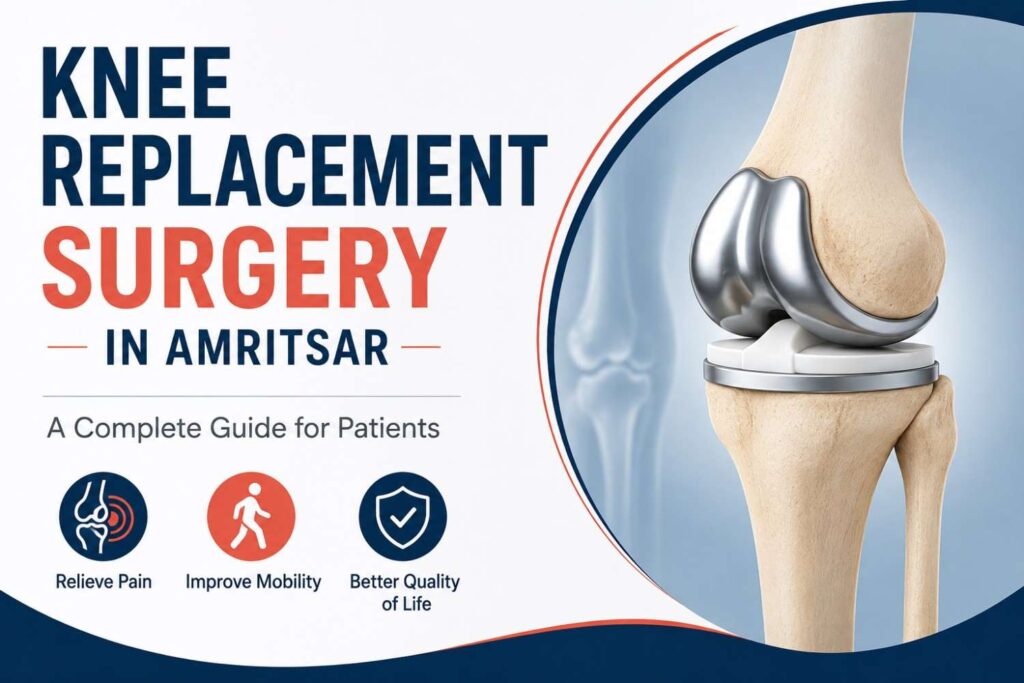
When arthritis causes severe joint damage, persistent pain, and substantial difficulty with daily activities despite appropriate non-surgical treatment, joint replacement surgery may be considered.
Knee replacement and hip replacement are common surgical options for advanced arthritis affecting these joints.
The decision depends on factors such as:
- The extent of joint damage.
- The severity and persistence of symptoms.
- Limitations in everyday activities.
- Response to non-surgical treatment.
- Overall health and surgical fitness.
- The patient’s expectations and preferences.
An orthopaedic surgeon can explain the possible benefits, risks, rehabilitation requirements, and alternatives.
Surgery is not necessary for every person with arthritis. Many patients can manage symptoms with a personalised non-surgical treatment plan.
When Should You Consult an Arthritis Doctor in Amritsar?
You should consider seeking medical advice if you experience:
- Joint pain that does not improve or keeps returning.
- Morning stiffness that affects normal movement.
- Persistent joint swelling or tenderness.
- Difficulty walking, climbing stairs, or using your hands.
- Reduced movement in your knees, hips, shoulders, or other joints.
- Pain that interferes with sleep or daily activities.
- Symptoms that gradually become more severe.
Early assessment can help identify the cause of joint symptoms and determine whether medication, physiotherapy, specialist referral, or another treatment is appropriate.
Seek urgent medical care if you develop sudden severe pain in one joint, particularly with swelling, redness, warmth, fever, or feeling unwell. These symptoms may indicate an infection or another condition requiring prompt treatment.
Arthritis Treatment at Anand Hospital, Amritsar
If you are searching for an Arthritis Doctor in Amritsar, Anand Hospital provides orthopaedic services for patients experiencing joint pain, stiffness, arthritis, and other musculoskeletal problems.
The hospital’s orthopaedic care includes arthritis and osteoporosis management, evaluation of knee and hip conditions, joint replacement services, and rehabilitation support. Treatment recommendations depend on the patient’s diagnosis, symptoms, and clinical assessment.
Meet Dr. Saravpreet Ahluwalia
Dr. Saravpreet Ahluwalia is associated with Anand Hospital’s orthopaedic services and has expertise in joint replacement and arthritis management.
His listed qualifications include MS (Orthopaedics), DNB (Orthopaedics), MRCS Ed (UK), MCh (UK), FEBOT (Switzerland), and FRCS Orth (UK).
Patients experiencing persistent knee pain, hip pain, joint stiffness, or suspected arthritis can enquire about an appointment to discuss their symptoms and appropriate treatment options.
Why Consider Anand Hospital for Orthopaedic Care?
- Orthopaedic evaluation for bone and joint conditions.
- Arthritis and osteoporosis management.
- Assessment of knee and hip pain.
- Joint replacement services for appropriate patients.
- Treatment planning based on individual clinical needs.
- Rehabilitation and physiotherapy support as part of orthopaedic care.
Learn more about orthopaedic care at Anand Hospital or visit the Dr. Saravpreet Ahluwalia profile.
How Can You Help Prevent or Manage Arthritis Symptoms?
Not all types of arthritis can be prevented, but certain habits can help support joint health and reduce the impact of symptoms.
Stay Physically Active
Regular, appropriate physical activity helps maintain strength, flexibility, and mobility. Choose activities that suit your condition and gradually increase activity as tolerated.
Maintain a Healthy Weight
Managing body weight can reduce pressure on weight-bearing joints and may improve symptoms in people with knee or hip osteoarthritis.
Avoid Overloading Painful Joints
Modify activities that repeatedly aggravate your symptoms. Use appropriate movement techniques and ask a physiotherapist for guidance if daily tasks become difficult.
Seek Early Medical Advice
Do not ignore persistent swelling, stiffness, or pain. Early evaluation is particularly important when inflammatory arthritis is suspected because timely treatment may help reduce the risk of joint damage.
Follow Your Treatment Plan
Take prescribed medication as directed, attend follow-up appointments, and discuss any side effects or changes in symptoms with your healthcare professional.
Frequently Asked Questions About Arthritis Symptoms and Treatment
1. What are the first signs of arthritis?
Early symptoms may include joint pain, stiffness after rest, swelling, tenderness, and difficulty moving an affected joint. Symptoms vary by type, so medical assessment is needed for diagnosis.
2. Can arthritis be cured permanently?
There is currently no universal cure for most common forms of arthritis. However, treatments can help manage symptoms, maintain function, and, in some conditions, slow disease progression. The outcome depends on the type of arthritis and the treatment used.
3. Which doctor should I consult for arthritis?
An orthopaedic doctor can assess many joint problems, including osteoarthritis and arthritis that causes structural damage. A rheumatologist may be needed for autoimmune and inflammatory conditions, such as rheumatoid arthritis. The appropriate specialist depends on the symptoms and suspected diagnosis.
4. What is the best treatment for knee arthritis?
Treatment may include exercise, physiotherapy, weight management, medication, and selected specialist interventions. Knee replacement surgery may be considered for advanced arthritis when symptoms remain severe despite appropriate non-surgical treatment.
There is no single best treatment for everyone. A doctor should recommend treatment after assessing the knee and the patient’s overall health.
5. Is walking good for arthritis?
Appropriate walking can help maintain mobility and physical fitness for many people with arthritis. The amount and intensity should be adjusted to your symptoms. If walking significantly increases pain or swelling, seek advice about suitable alternatives.
6. What causes arthritis in young adults?
Arthritis can affect younger people due to inflammatory or autoimmune conditions, previous injuries, certain metabolic conditions, and other causes. Persistent joint symptoms in younger adults should not automatically be attributed to ageing or overuse.
7. When is knee replacement needed for arthritis?
Knee replacement may be considered when arthritis causes substantial pain and functional limitations, and non-surgical treatments no longer provide adequate relief. The decision should be made with an orthopaedic surgeon after a detailed evaluation.
8. Where can I consult an arthritis doctor in Amritsar?
You can contact Anand Hospital, Amritsar, to enquire about orthopaedic appointments and arthritis management. Ask the hospital to confirm the current consultation schedule before visiting.
Hospital: Anand Hospital, Inner Circular Road, Chatiwind, Amritsar, Punjab.
Contact: +91 78079 40794 for orthopaedic enquiries; confirm appointment availability with the hospital.
Website: https://anandshospital.com/
Conclusion
Arthritis can affect movement, comfort, and everyday activities, but the right diagnosis and treatment plan can help many people manage symptoms and maintain a better quality of life.
Recognising early symptoms, staying appropriately active, following medical advice, and seeking timely evaluation can all play an important role in joint care. Treatment may range from lifestyle changes and physiotherapy to medication, specialist interventions, or joint replacement surgery, depending on the type and severity of arthritis.
If you are experiencing persistent joint pain, stiffness, or swelling, consult an appropriate healthcare professional rather than relying on self-diagnosis.
For patients looking for an Arthritis Doctor in Amritsar, Anand Hospital offers orthopaedic evaluation and treatment options for arthritis and related joint conditions.
Book an orthopedic appointment at Anand Hospital, Amritsar, to discuss your symptoms and explore suitable treatment options.
Website: https://anandshospital.com/orthopedic-care/
Medical disclaimer: This article is for general educational purposes and does not replace professional medical advice, diagnosis, or treatment.