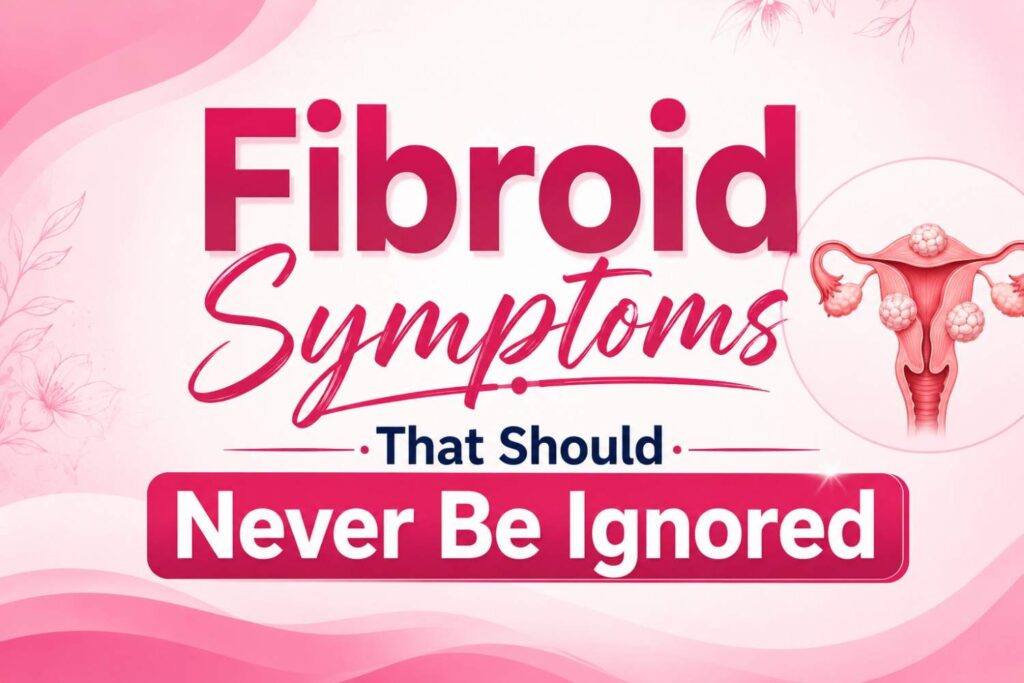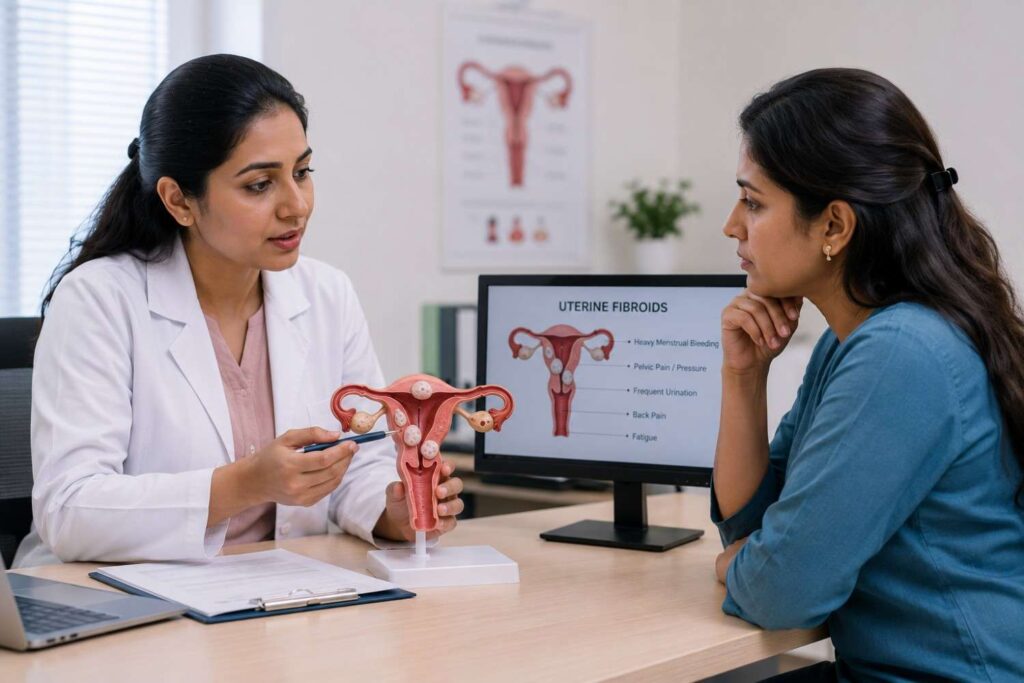
Many women experience heavy periods, pelvic pain, or abdominal discomfort and assume these symptoms are simply a part of normal menstruation. While occasional menstrual discomfort is common, persistent or worsening symptoms should never be ignored. They may be a sign of uterine fibroids, one of the most common gynecological conditions affecting women during their reproductive years.
Fibroids are non-cancerous growths that develop in or around the uterus. Some remain small and cause no symptoms, while others grow larger and lead to heavy bleeding, pelvic pressure, fertility concerns, or difficulty carrying out everyday activities.
The challenge is that many women delay seeking medical advice because they believe their symptoms are “normal.” Unfortunately, untreated fibroids can become larger over time, making treatment more complicated and affecting overall quality of life.
Understanding the warning signs can help you seek timely medical care and explore effective treatment options before complications arise.
What Are Uterine Fibroids?
Uterine fibroids, also known as leiomyomas or myomas, are benign tumors that develop from the muscle tissue of the uterus.
Fibroids can vary greatly in:
- Size
- Number
- Location
- Growth rate
Some women have a single fibroid, while others may develop multiple fibroids of different sizes.
Fibroids are generally classified into four main types.
Intramural Fibroids
These grow within the muscular wall of the uterus and are the most common type.
Submucosal Fibroids
These develop beneath the inner lining of the uterus and often cause heavy menstrual bleeding and fertility problems.
Subserosal Fibroids
These grow on the outer surface of the uterus and may press against nearby organs like the bladder or bowel.
Pedunculated Fibroids
These fibroids grow on a stalk extending either inside or outside the uterus.
The symptoms often depend more on the location of the fibroid than its actual size.
Why Fibroid Symptoms Should Never Be Ignored
Fibroids are usually non-cancerous, but that does not mean they are harmless.
Ignoring symptoms may lead to:
- Severe anemia due to heavy blood loss
- Chronic pelvic pain
- Fertility problems
- Recurrent miscarriages in some women
- Frequent urination caused by bladder pressure
- Constipation due to pressure on the bowel
- Enlargement of the abdomen
- Reduced quality of life
Early diagnosis allows for more treatment options and may help avoid extensive surgery.
Common Fibroid Symptoms Every Woman Should Know
1. Heavy Menstrual Bleeding
Heavy or prolonged menstrual bleeding is one of the most common signs of uterine fibroids.
You may notice:
- Periods lasting longer than seven days
- Passing large blood clots
- Frequently changing sanitary pads
- Heavy flow that disrupts daily activities
Over time, excessive blood loss may lead to iron deficiency anemia.
2. Pelvic Pain or Pressure
Fibroids can place pressure on surrounding tissues, causing:
- Constant pelvic discomfort
- Feeling of heaviness
- Lower abdominal pressure
- Pain that worsens during menstruation
Persistent pelvic pain should always be evaluated by a gynecologist.
3. Frequent Urination
As fibroids enlarge, they may press against the bladder, reducing its capacity.
Women often experience:
- Frequent trips to the bathroom
- Sudden urge to urinate
- Difficulty emptying the bladder completely
These symptoms are sometimes mistaken for urinary tract infections.
4. Constipation
Fibroids located near the back of the uterus may compress the rectum.
This pressure can cause:
- Difficulty passing stool
- Constipation
- Feeling of incomplete bowel emptying
5. Pain During Intercourse
Depending on their size and location, fibroids may cause discomfort or pain during sexual intercourse.
This symptom should never be ignored, especially if it becomes persistent.
6. Lower Back Pain
Large fibroids may put pressure on muscles and nerves in the lower back.
Women may experience:
- Persistent backache
- Hip pain
- Pain radiating toward the legs
7. Enlarged Abdomen
Some women notice their abdomen becoming larger even without weight gain.
Large fibroids can enlarge the uterus, making the lower abdomen appear swollen.
8. Fatigue and Weakness
Heavy menstrual bleeding can reduce iron levels in the body, leading to anemia.
Symptoms include:
- Fatigue
- Weakness
- Dizziness
- Pale skin
- Shortness of breath
If these symptoms occur along with heavy periods, medical evaluation is important.
Less Common Fibroid Symptoms
Although less common, some women may also experience:
- Difficulty conceiving
- Recurrent pregnancy loss
- Pain during bowel movements
- Difficulty emptying the bladder
- Pain during physical activity
- Menstrual cramps that become increasingly severe
Because these symptoms overlap with other gynecological conditions, a professional diagnosis is essential.
What Causes Fibroids?
The exact cause of fibroids is not fully understood, but several factors may contribute to their development.
Hormonal Changes
Estrogen and progesterone are believed to promote fibroid growth during the reproductive years.
Family History
Women with close relatives who have fibroids are more likely to develop them.
Lifestyle Factors
Obesity, poor dietary habits, limited physical activity, and vitamin D deficiency have all been associated with a higher risk.
Age
Fibroids are most commonly diagnosed between the ages of 30 and 50.
Who Is More Likely to Develop Fibroids?
Certain factors may increase your risk, including:
- Age between 30 and 50 years
- Family history of fibroids
- Being overweight or obese
- Early onset of menstruation
- High estrogen levels
- Never having been pregnant
While these factors increase risk, fibroids can develop in women without any obvious risk factors.
When Should You See a Gynecologist?
Many women delay seeking medical advice because they believe heavy periods or pelvic discomfort are a normal part of life. However, persistent symptoms should never be ignored, as early diagnosis can help prevent complications and offer more treatment options.
You should consult a gynecologist if you experience:
- Heavy menstrual bleeding that lasts more than seven days
- Pelvic pain or pressure that affects your daily routine
- Frequent urination without a urinary tract infection
- Persistent constipation along with pelvic discomfort
- Pain during sexual intercourse
- Difficulty conceiving
- An enlarged lower abdomen
- Symptoms of anemia, such as fatigue, dizziness, or shortness of breath
If these symptoms persist, a timely consultation with a gynecologist can help identify the underlying cause and determine the most appropriate treatment.
How Are Fibroids Diagnosed?
A diagnosis of uterine fibroids usually begins with a detailed medical history and physical examination. Your gynecologist may recommend additional tests to confirm the diagnosis and assess the size and location of the fibroids.
Pelvic Examination
During a pelvic exam, your doctor checks for any enlargement or irregularities in the uterus that may suggest fibroids.
Ultrasound
A pelvic or transvaginal ultrasound is the most common imaging test used to detect uterine fibroids. It provides detailed images of the uterus and helps determine the number, size, and location of the fibroids.
MRI Scan
For women with multiple or large fibroids, an MRI scan offers a more detailed assessment and helps in planning the most suitable treatment.
Hysteroscopy
A hysteroscopy allows the doctor to examine the inside of the uterus using a thin camera. It is particularly useful for diagnosing submucosal fibroids that may be causing heavy menstrual bleeding.
Blood Tests
If heavy menstrual bleeding has resulted in excessive blood loss, blood tests may be recommended to check for anemia and assess overall health.
Treatment Options for Fibroids
Treatment depends on factors such as:
- Size and location of the fibroids
- Severity of symptoms
- Age
- Future pregnancy plans
- Overall health
Your gynecologist will recommend a personalized treatment plan based on your individual needs.
1. Observation
Small fibroids that do not cause symptoms may not require immediate treatment. Regular follow-up appointments and ultrasound scans help monitor their growth.
2. Medications
Certain medications may help manage symptoms by reducing heavy bleeding or relieving pelvic pain. While medications may improve symptoms, they generally do not eliminate fibroids completely.
3. Laparoscopic Myomectomy
For women who wish to preserve their uterus, laparoscopic myomectomy is a highly effective minimally invasive surgical option.
Using small incisions and advanced laparoscopic techniques, the surgeon removes the fibroids while preserving healthy uterine tissue.
Benefits of Laparoscopic Myomectomy
- Smaller incisions
- Less postoperative pain
- Minimal blood loss
- Reduced risk of infection
- Faster recovery
- Shorter hospital stay
- Minimal scarring
- Quicker return to normal activities
4. Hysterectomy
For women with very large fibroids, multiple fibroids, or severe symptoms who do not plan future pregnancies, a hysterectomy may be recommended. This procedure removes the uterus and permanently eliminates fibroids.
Your doctor will discuss the most appropriate treatment based on your symptoms, medical history, and reproductive goals.
Can Fibroids Affect Pregnancy?
Yes. Depending on their size and location, fibroids may interfere with fertility or increase the risk of pregnancy-related complications.
Possible concerns include:
- Difficulty becoming pregnant
- Recurrent miscarriages
- Preterm labor
- Breech presentation
- Increased likelihood of cesarean delivery
However, many women with fibroids have healthy pregnancies. Early diagnosis and proper medical management can improve outcomes for both mother and baby.
Can Fibroids Be Prevented?
Although there is no guaranteed way to prevent fibroids, maintaining a healthy lifestyle may reduce the risk.
Healthy habits include:
- Eating a balanced diet rich in fruits and vegetables
- Maintaining a healthy weight
- Exercising regularly
- Managing stress effectively
- Limiting processed foods
- Scheduling regular gynecological check-ups
Routine health screenings can help detect fibroids before they begin causing significant symptoms.
Living with Fibroids
Receiving a diagnosis of uterine fibroids can feel overwhelming, but it is important to remember that fibroids are common and highly treatable.
Many women successfully manage fibroids through regular monitoring, medication, or minimally invasive surgery. The key is not to ignore symptoms or delay seeking medical care.
With the right diagnosis and treatment plan, most women can return to their normal activities and enjoy an improved quality of life.
Frequently Asked Questions (FAQs)
1. Are uterine fibroids cancerous?
No. Uterine fibroids are benign (non-cancerous) growths, and only a very small percentage are associated with cancer.
2. Can fibroids disappear naturally?
Fibroids may shrink after menopause due to reduced hormone levels, but they usually do not disappear completely.
3. Do all fibroids require surgery?
No. Small fibroids without symptoms often require only regular monitoring. Surgery is recommended when symptoms significantly affect daily life or fertility.
4. Can fibroids cause infertility?
Some fibroids, particularly those inside the uterine cavity, may affect fertility. However, many women with fibroids conceive naturally.
5. Is laparoscopic myomectomy safe?
Yes. Laparoscopic myomectomy is a safe and minimally invasive procedure for many women, offering faster recovery and less postoperative discomfort compared to traditional open surgery.
6. Can fibroids come back after surgery?
Fibroids can recur after myomectomy, especially in younger women. Regular follow-up with your gynecologist is important.
7. What are the first signs of fibroids?
Heavy menstrual bleeding, pelvic pain, frequent urination, abdominal swelling, and prolonged periods are among the earliest and most common symptoms.
8. When should I consult a doctor for fibroids?
If you experience persistent heavy bleeding, pelvic pain, difficulty conceiving, or pressure symptoms, you should schedule an evaluation with a gynecologist.
Conclusion
Uterine fibroids are one of the most common gynecological conditions affecting women, but many continue to ignore the warning signs until symptoms become severe. Heavy menstrual bleeding, pelvic pressure, frequent urination, abdominal swelling, and chronic pelvic pain are not symptoms you should simply “live with.”
The earlier fibroids are diagnosed, the more treatment options are available—including minimally invasive procedures that preserve the uterus and support a faster recovery. Seeking medical advice at the right time can help relieve symptoms, protect fertility, and improve your overall quality of life.
If you notice any persistent changes in your menstrual cycle or pelvic health, don’t delay consulting a gynecologist. Early care can make a significant difference.
Expert Fibroid Care at Anand Hospital, Amritsar
At Anand Hospital, Amritsar, we provide comprehensive evaluation and advanced treatment for uterine fibroids. Our experienced gynecology team offers personalized care, modern diagnostic services, and minimally invasive laparoscopic procedures tailored to each patient’s condition and future reproductive goals.
Whether you need medical management, a second opinion, or advanced laparoscopic fibroid surgery, our specialists are committed to helping you achieve the best possible outcome.
Book your consultation today and take the first step toward better women’s health.
📍 Anand Hospital
Chatiwind Gate Roundabout, Near Gurudwara Shaheeda, Chowk Chabutra, Nimak Mandi, Amritsar, Punjab 143001
📞 Book an Appointment Today